Making Spaces work for People and Pollinators
RePollinate combines ecological purpose with practical delivery. Projects range from small-scale Beds for Bees, to larger biodiversity and community-space improvements, and everything in between.
 01
Beds for Bees
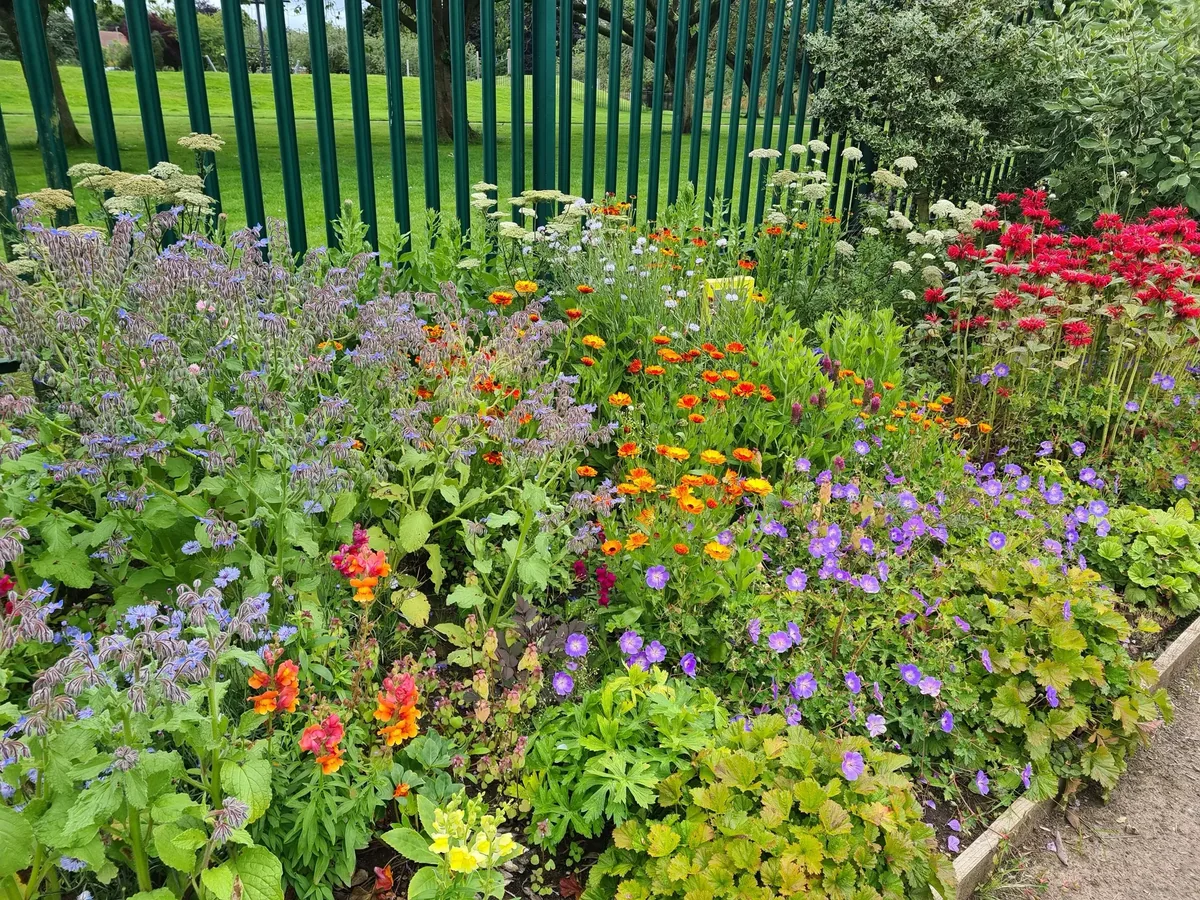
Beds for Bees helps communities transform flowerbeds, planters and small spaces into vibrant, pollinator-friendly habitats. RePollinate provides expert planting designs, carefully chosen plants and practical maintenance advice, giving community groups everything they need to create and maintain beautiful beds that delight the eye and and sustain pollinators throughout the seasons.
See our Bee Beds →
02
Bespoke biodiversity projects
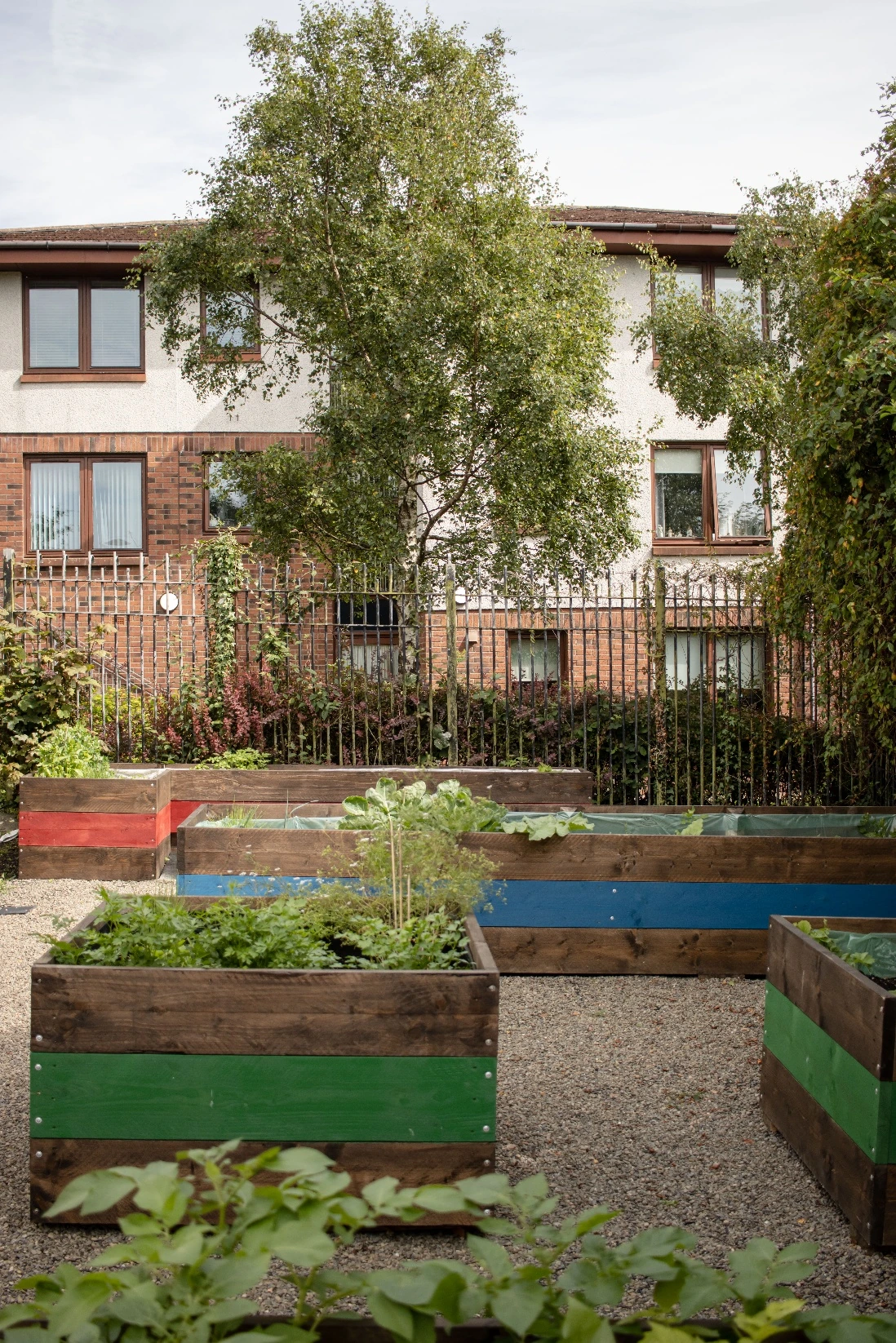
RePollinate works with organisations and communities to transform larger sites into diverse, resilient, green spaces for people and wildlife. From hard landscaping, planting and habitat creation to long-term management, we bring together ecological knowledge, practical design and community involvement to create projects that deliver lasting benefits.
See biodiversity case studies →
 03
Learning & engagement
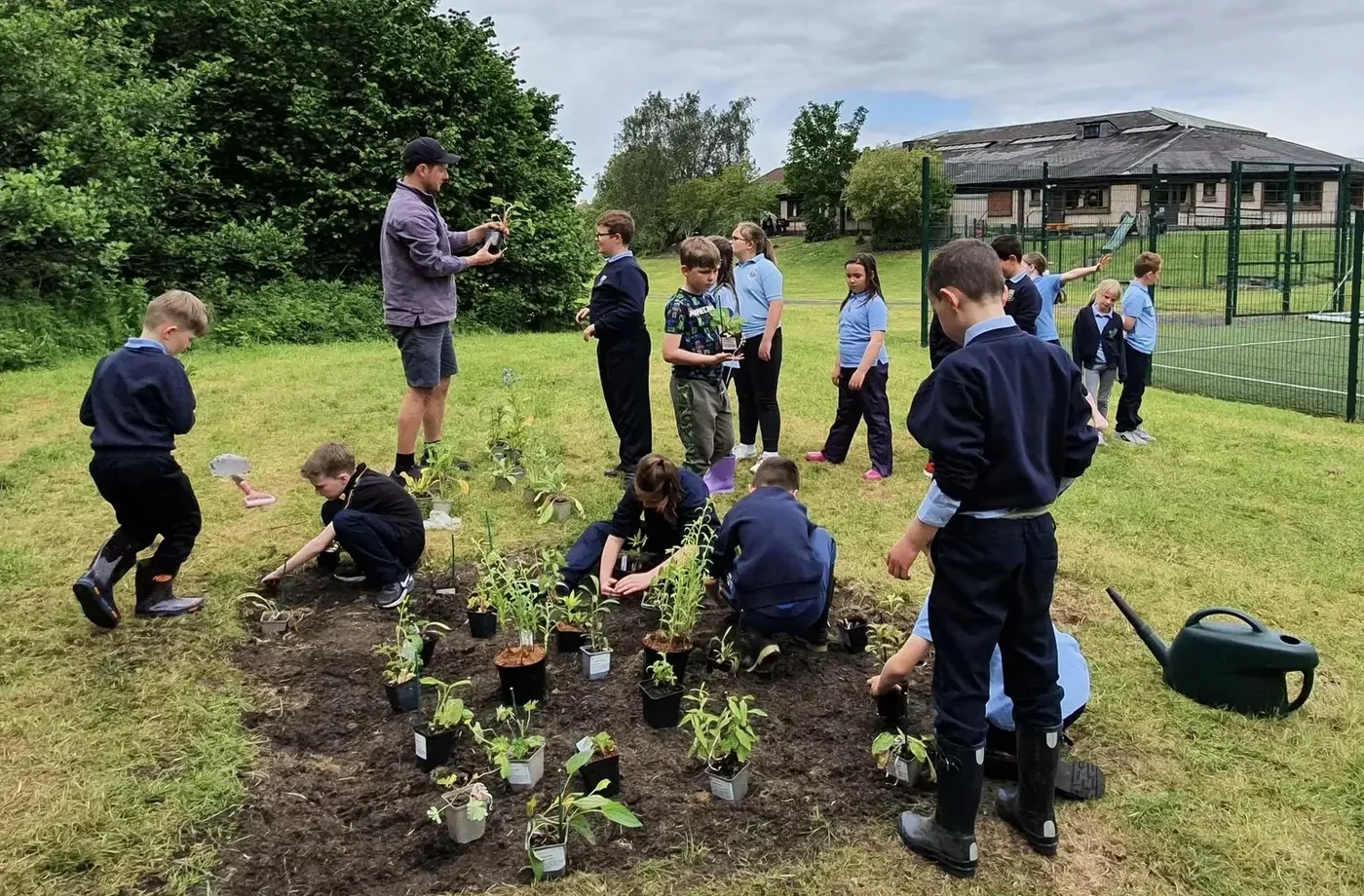
By sharing our research-led knowledge and practical experience we can extend our impact beyond the projects we deliver ourselves and help others create better, more effective habitats for pollinators. We are constantly adding the latest research and useful advice and guidance to our resources page.
Planting with Purpose
Every RePollinate design starts with consultation. Whether we’re working with a small community group or a large business, we create schemes that work for the people who care for them and the pollinators they support.
We tailor every design to its setting—from shade, moisture levels and soil type to colour, aesthetic preferences and the capacity for ongoing maintenance.
- Season-long interest through diverse flower forms and flowering times.
- Complementary planting using carefully selected native and non-native species.
- Site-led choices shaped by local conditions and growing requirements.
- Community involvement in the aesthetic of the design, planting and aftercare.
- Practical advice with soil preparation, planting and ongoing maintenance.
Beds for Bees
Forres, Moray - 2024
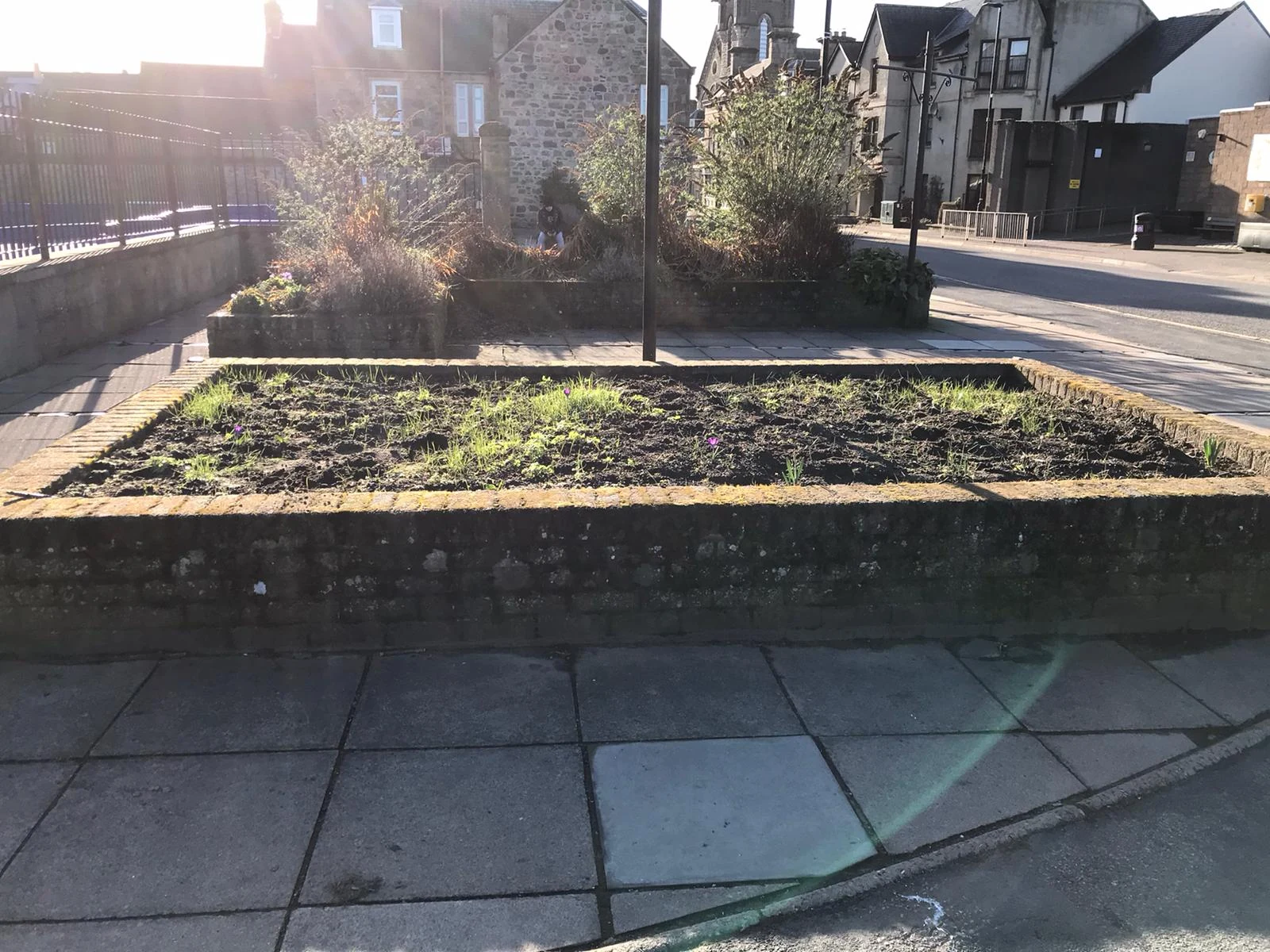
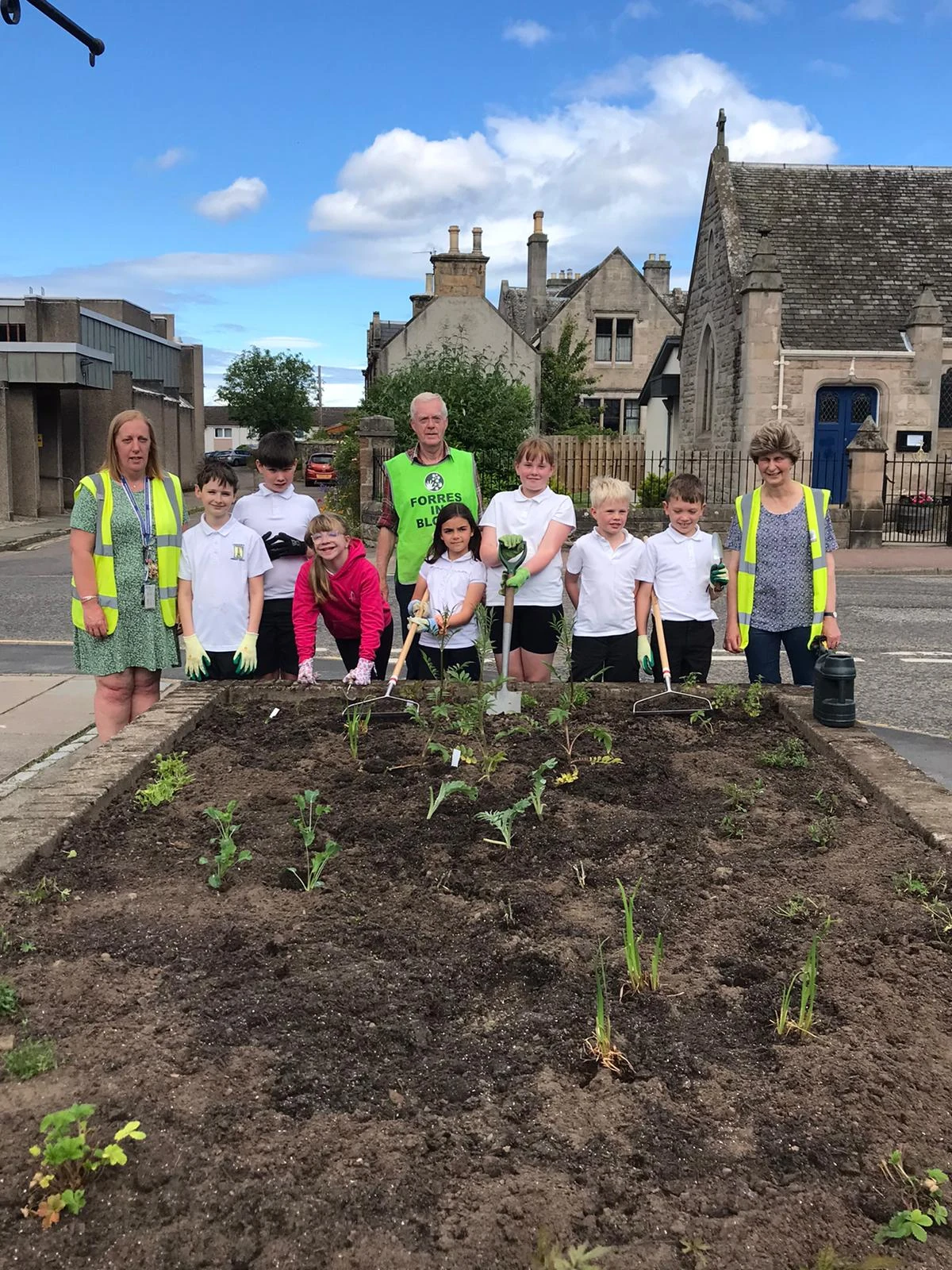
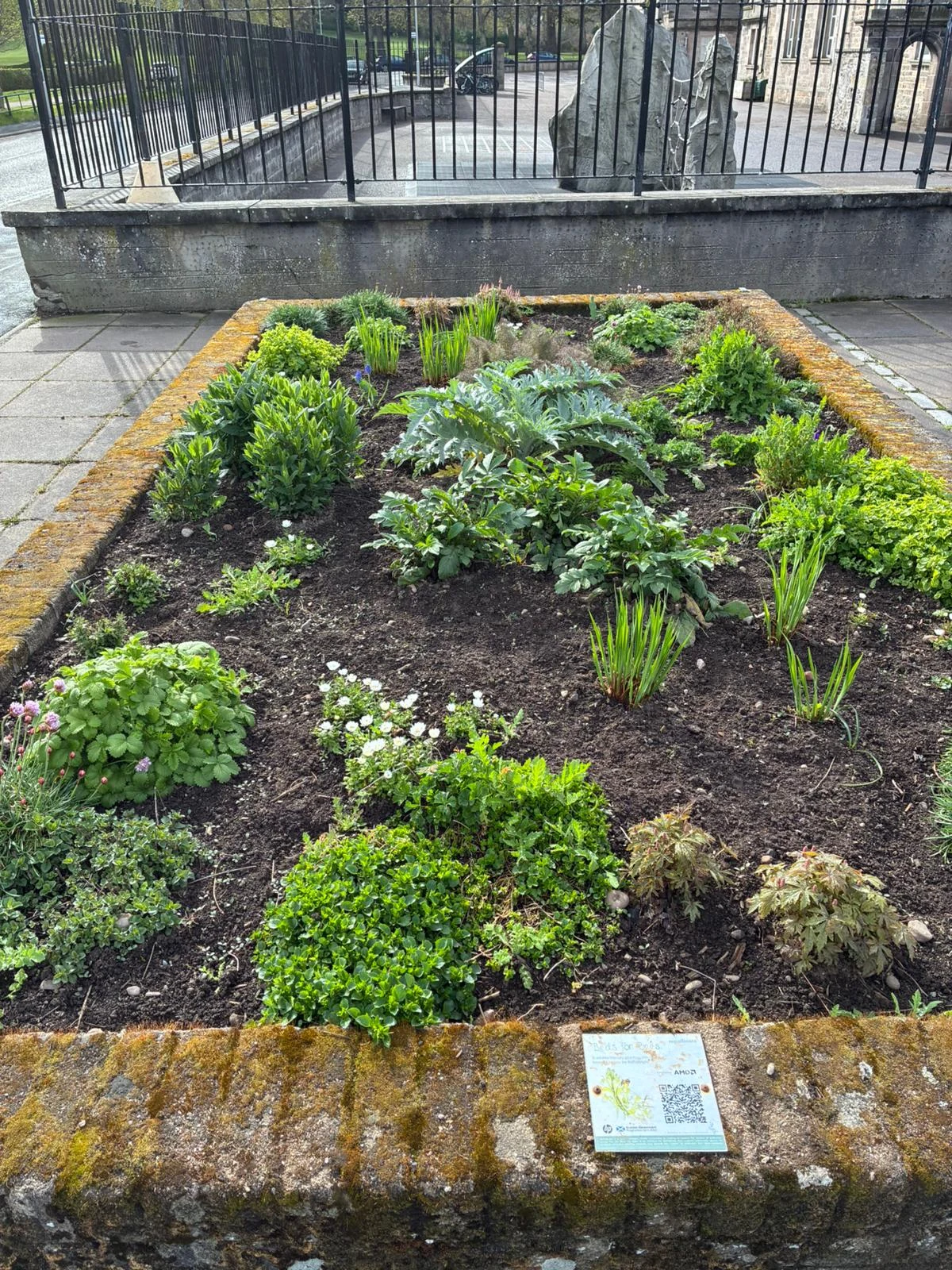
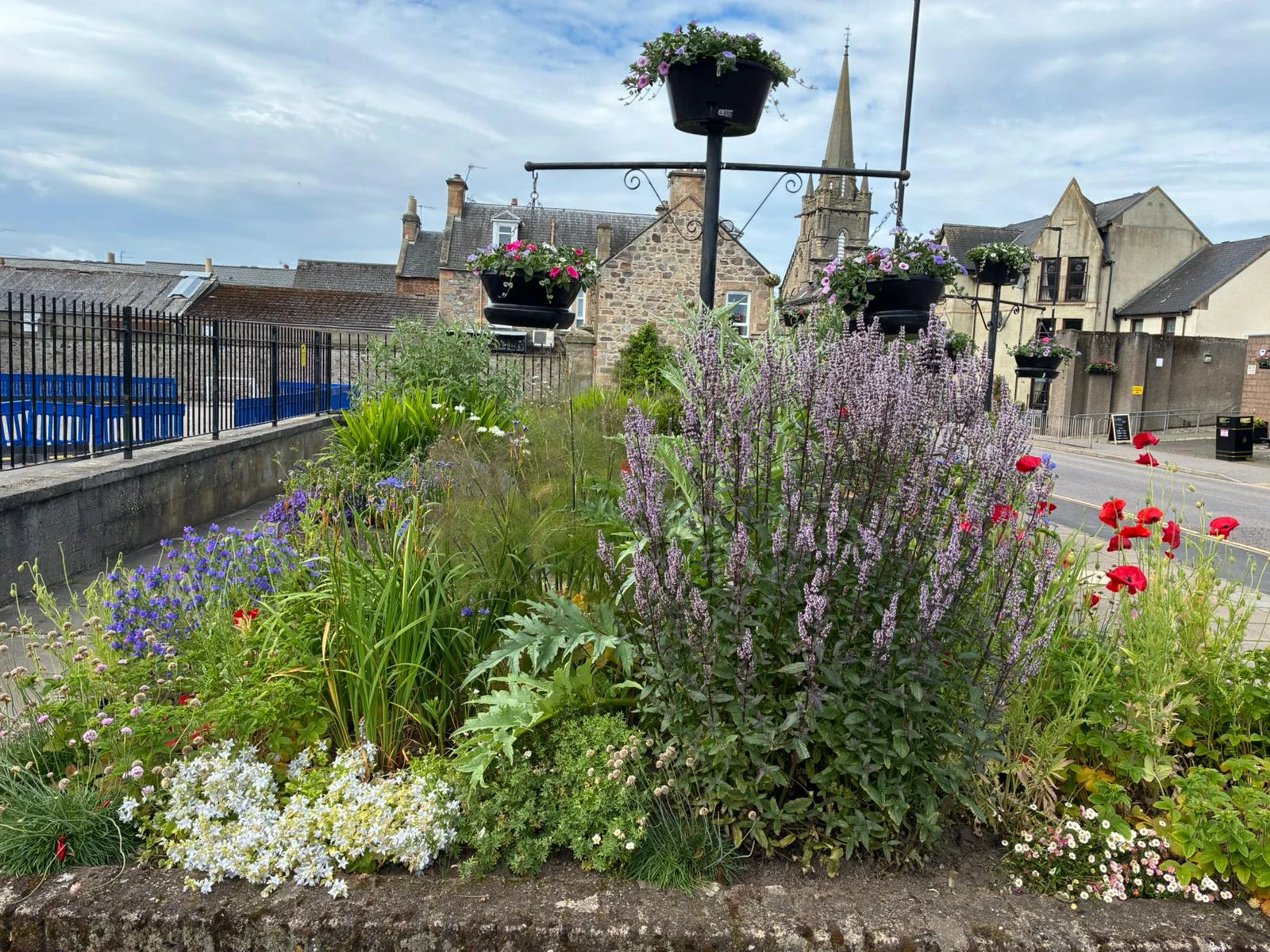
Delivered in partnership with Forres in Bloom and funded by AMD, this project was all about finding the right plants for a challenging site.
We chose a mix of drought and salt-tolerant plants that can cope with dry coastal conditions, while still creating an attractive and wildlife-friendly space.
It’s a great example of how choosing the right plants for the conditions can help our bee beds to flourish wherever they are situated.
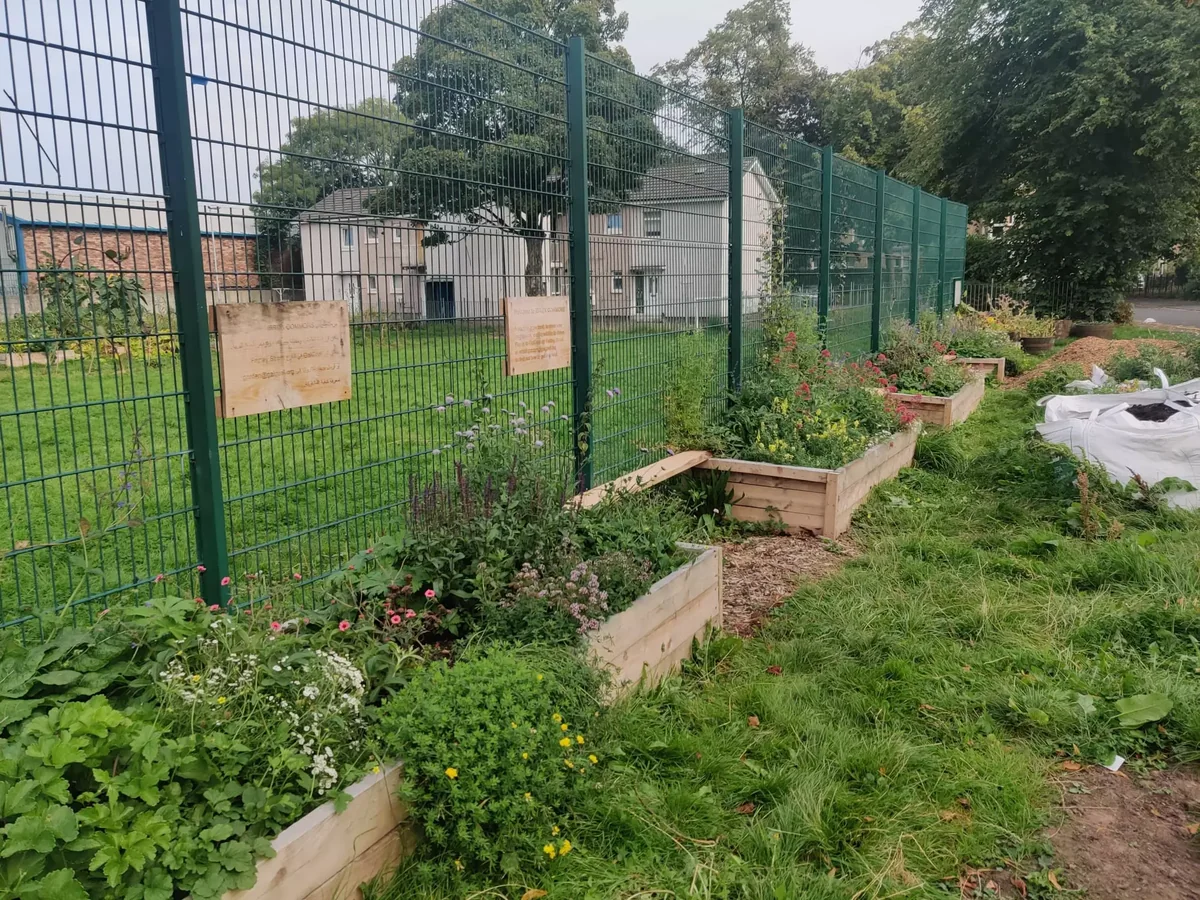
Gargunnock, Stirling - 2022
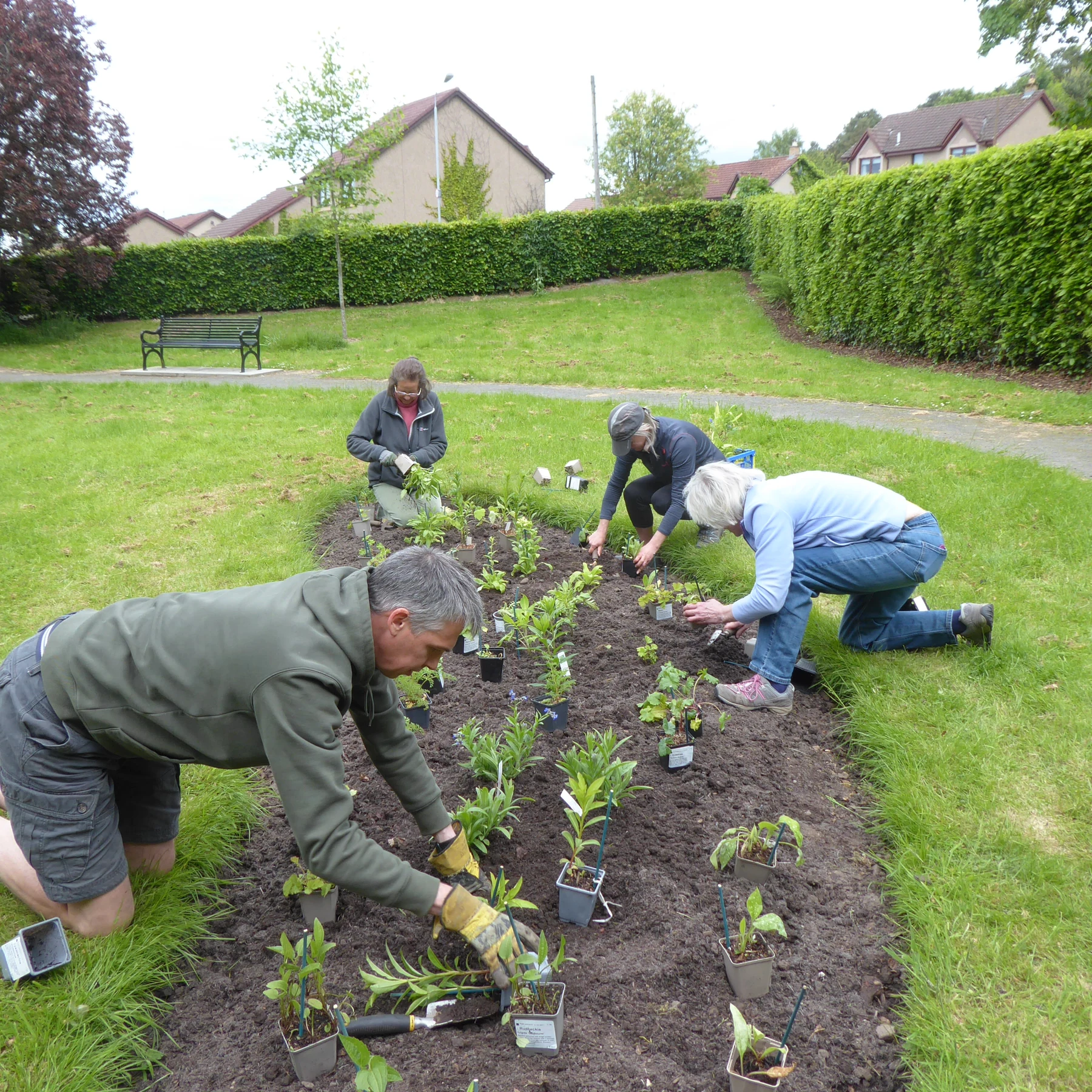
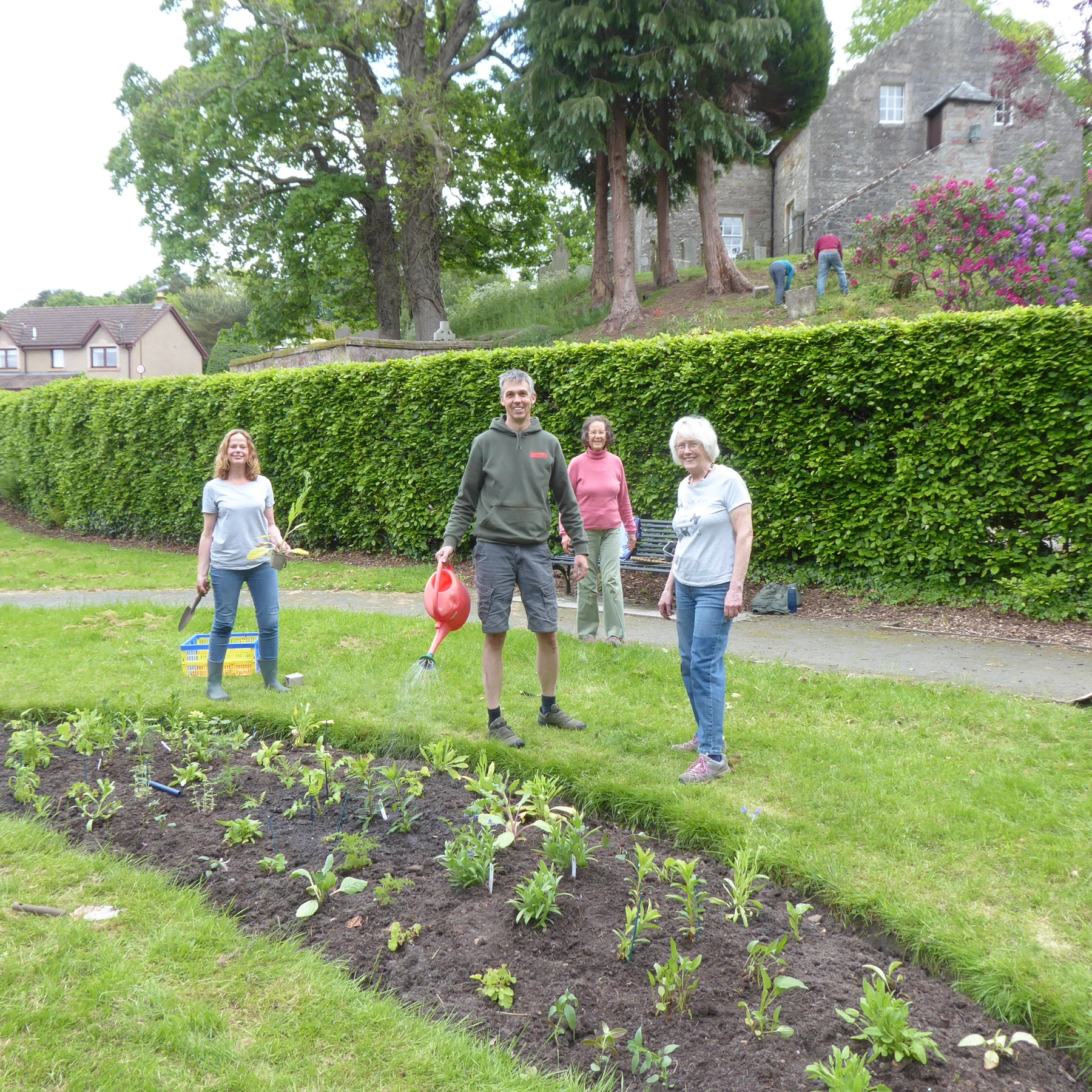
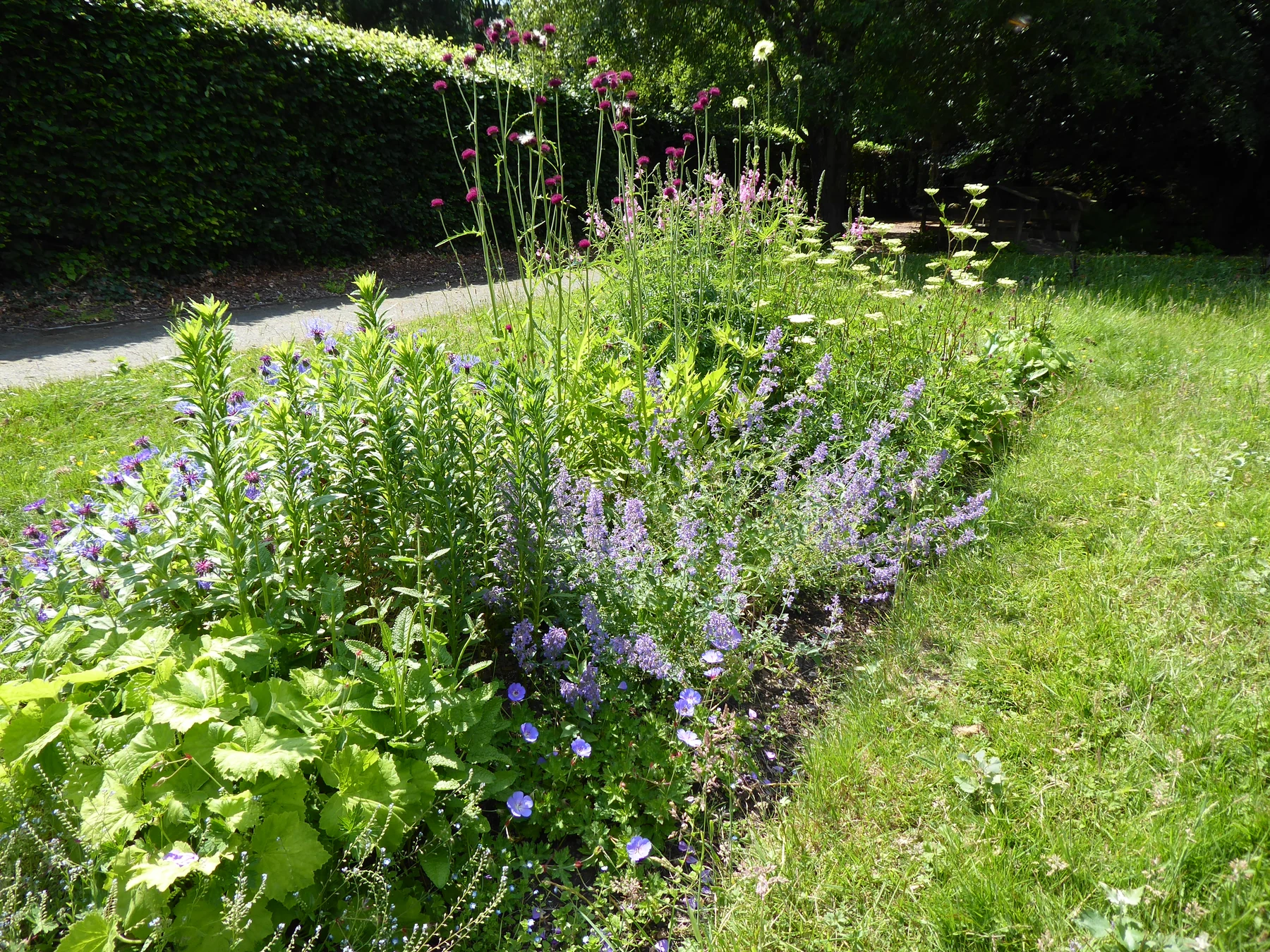
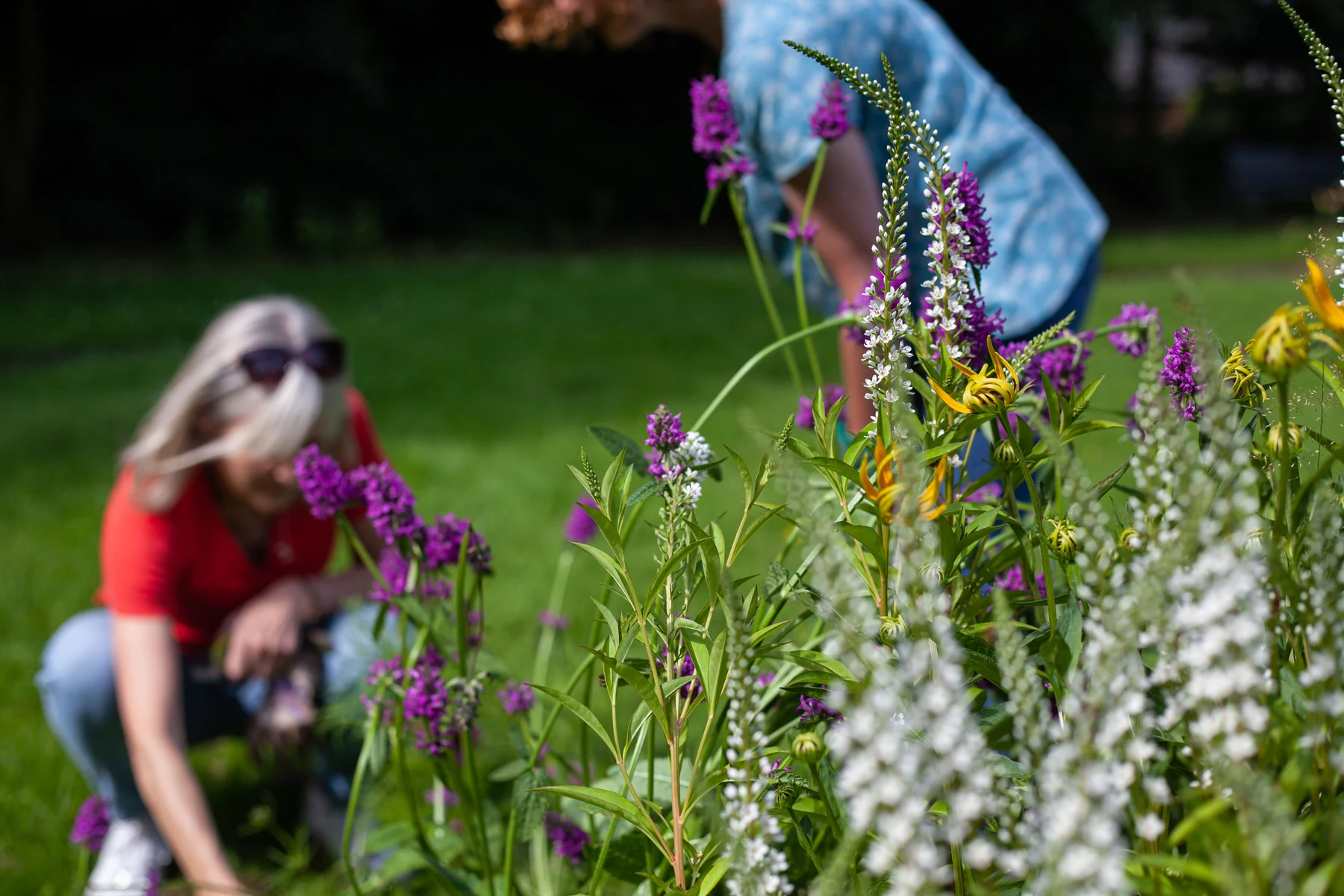
Funded by CSET, and planted and cared for by Gargunnock Community Trust, this was one of the first ever RePollinate Bee Beds — and it’s still going strong today.
The site is partially shaded, so we designed a naturalistic planting scheme using a mix of plants that can thrive in lower light while providing valuable food and habitat for pollinators.
The result is a simple, wildlife-friendly planting area that has continued to develop and mature over time,
Inchture, Perth and Kinross - 2026
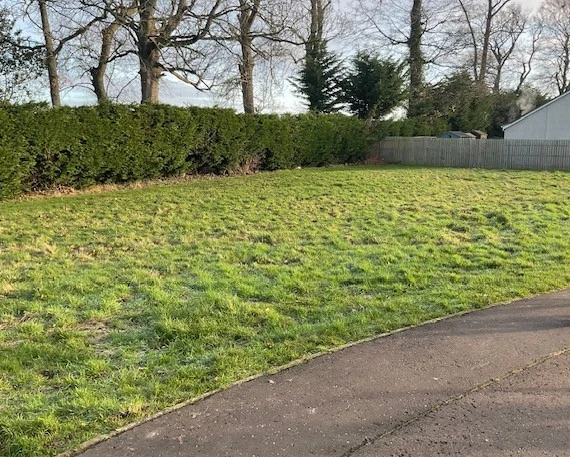
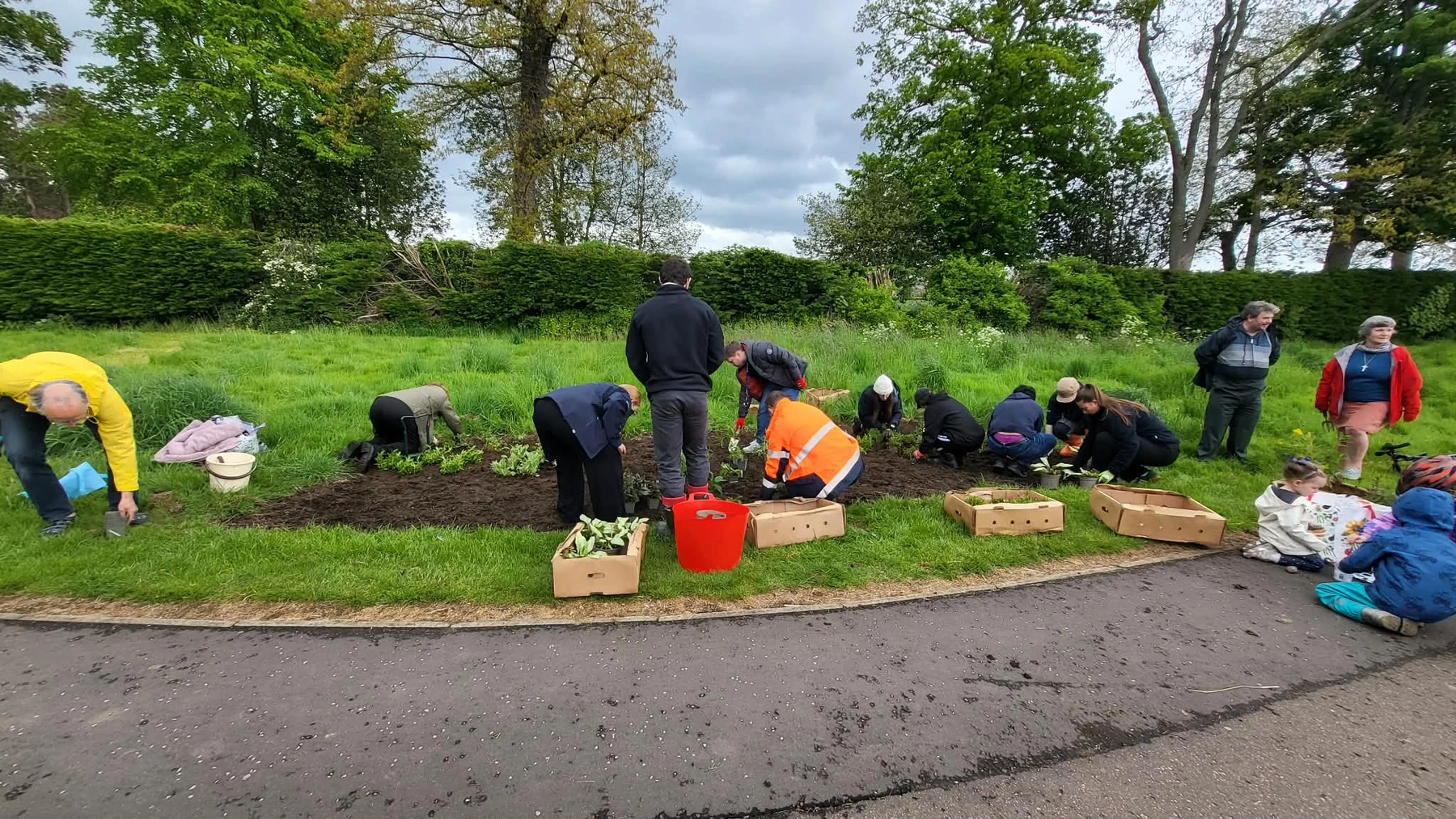
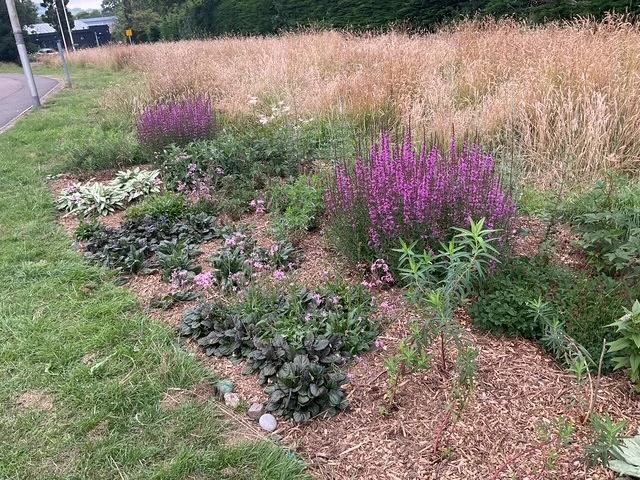
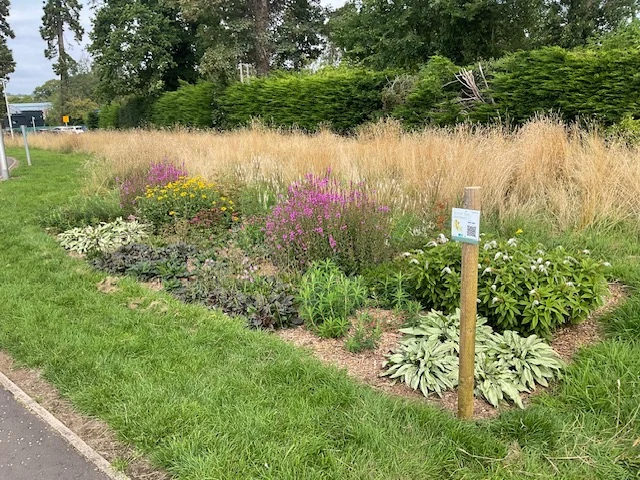
With financial and practical support from Balfour Beatty, and working closely with Inchture Area Community Council, this Bee Bed was created from scratch within an area of managed grassland.
The planting design was inspired by Piet Oudolf, using a naturalistic mix of plants that works with the existing landscape. The plants were chosen to blend with a backdrop of tall native grasses, creating a layered planting area that changes and develops throughout the seasons.
The result is a natural-looking, wildlife-friendly space that adds colour and structure to an otherwise uninspiring area of grassland, while providing valuable resources for pollinators.
Kinnesswood, Perth and Kinross
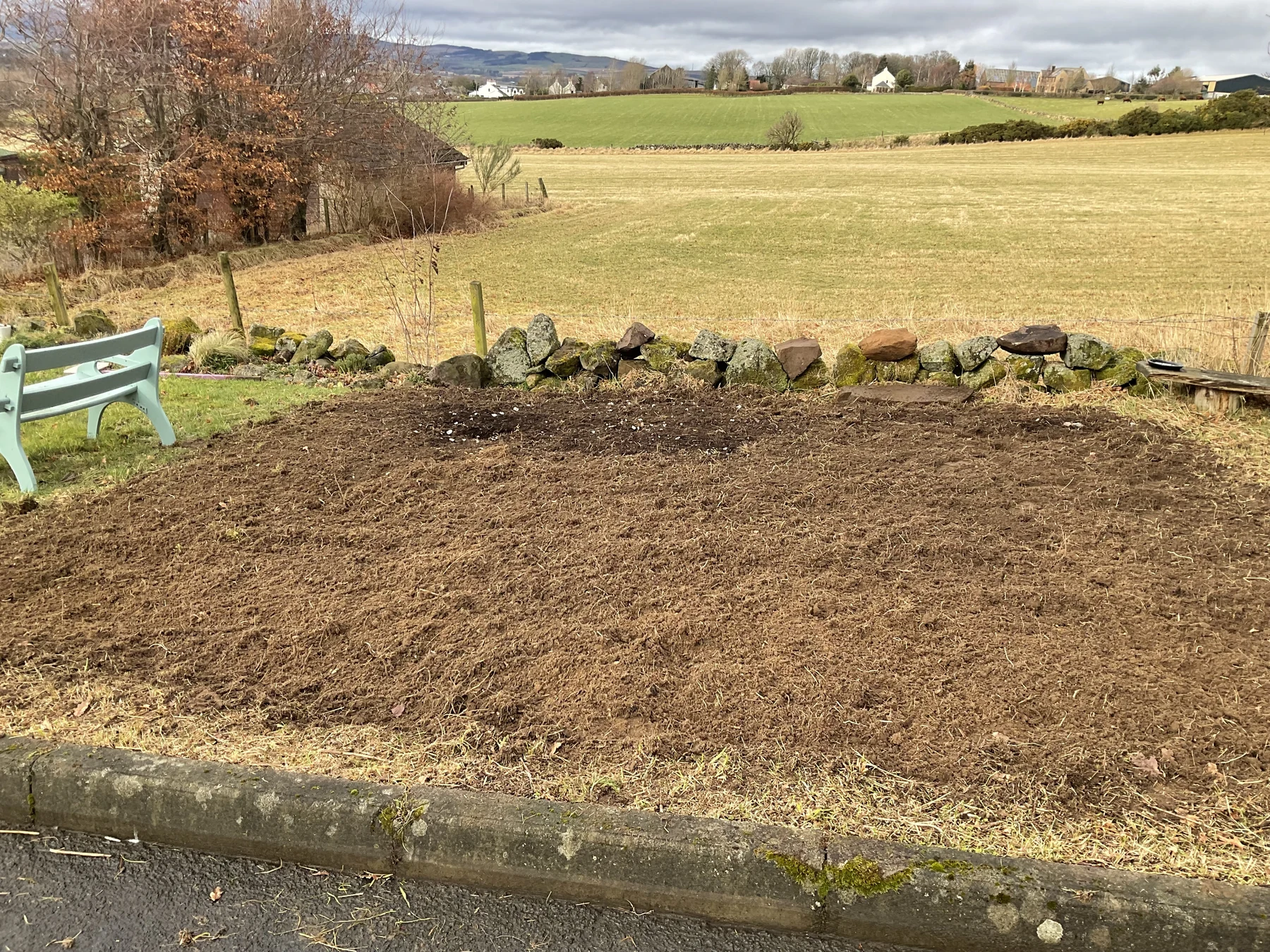
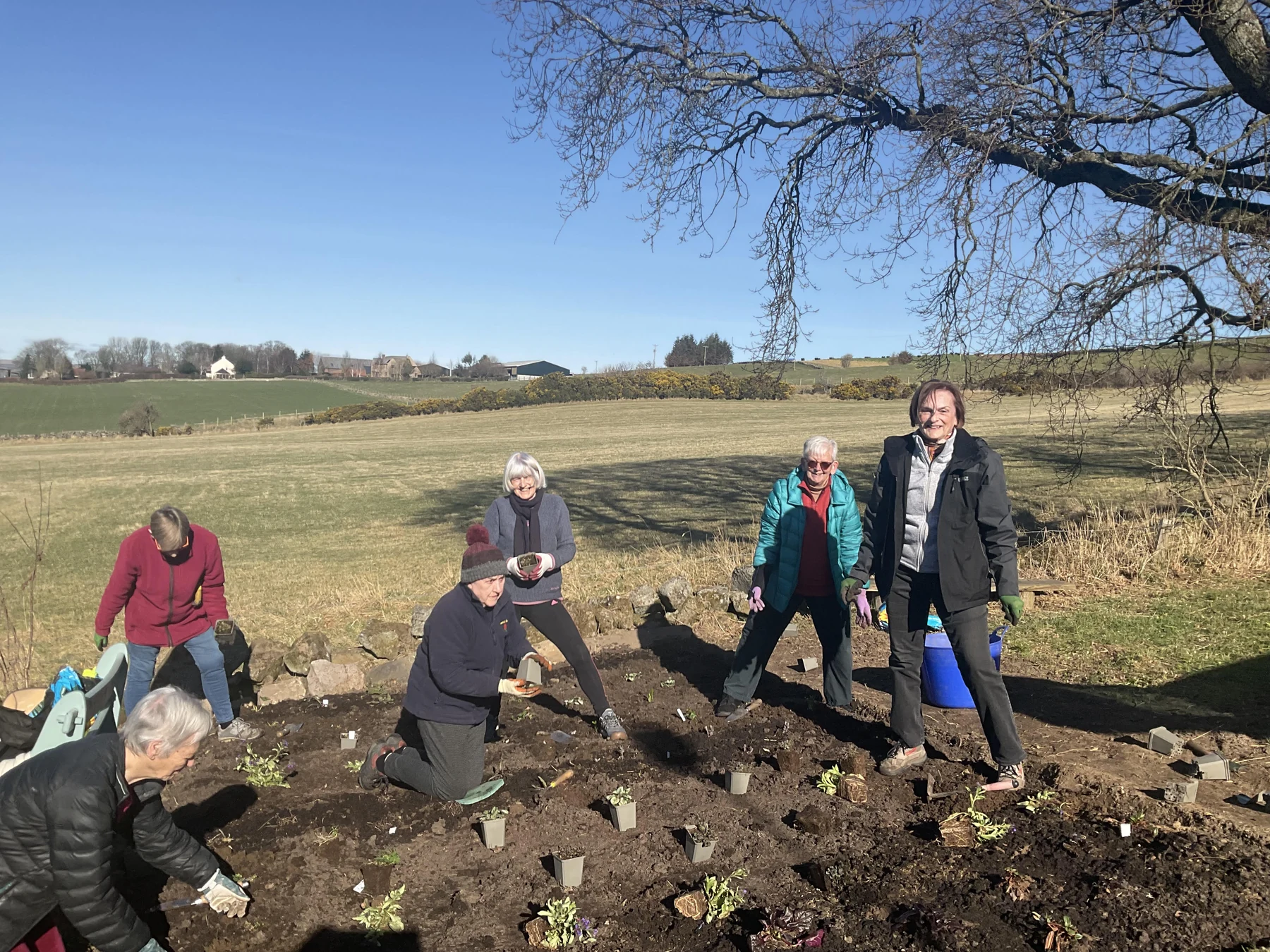
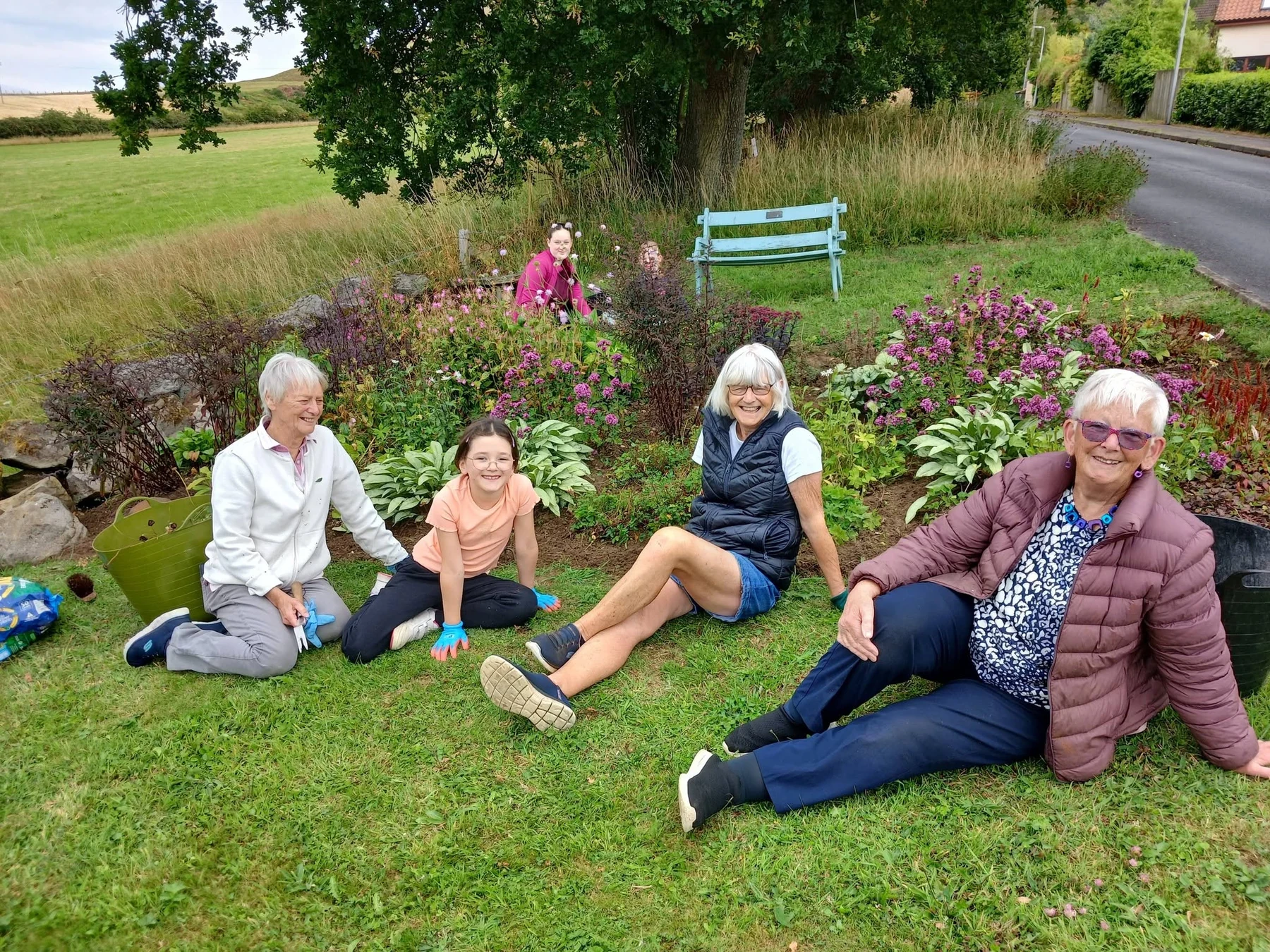

This bee bed was created in collaboration with the Tayside Biodiversity Partnership as part of the Biodiversity Villages, Towns and Neighbourhoods scheme, and was planted and is cared for by local community group Kinnesswood in Bloom.
The site came with a couple of challenges — it needed plants that could cope with drier conditions and, importantly, were unpalatable to rabbits.
We selected a mix of tough, rabbit-resistant plants that could thrive in the conditions while still attracting pollinators.
From Design to Delivery and Beyond.
Assess
Understand the site, from environmental conditions and intended use, to access, maintenance and practical constraints.
Design
Create a bespoke design shaped around the place, its people and its purpose.
Deliver
Arrange delivery of plants and materials and support partners to bring the design to life.
Support
Provide tailored care plans and ongoing practical advice for every project.
Larger bespoke projects.
Working closely with our funders, we bring together ecological knowledge, practical design and community engagement to create projects that deliver lasting benefits.
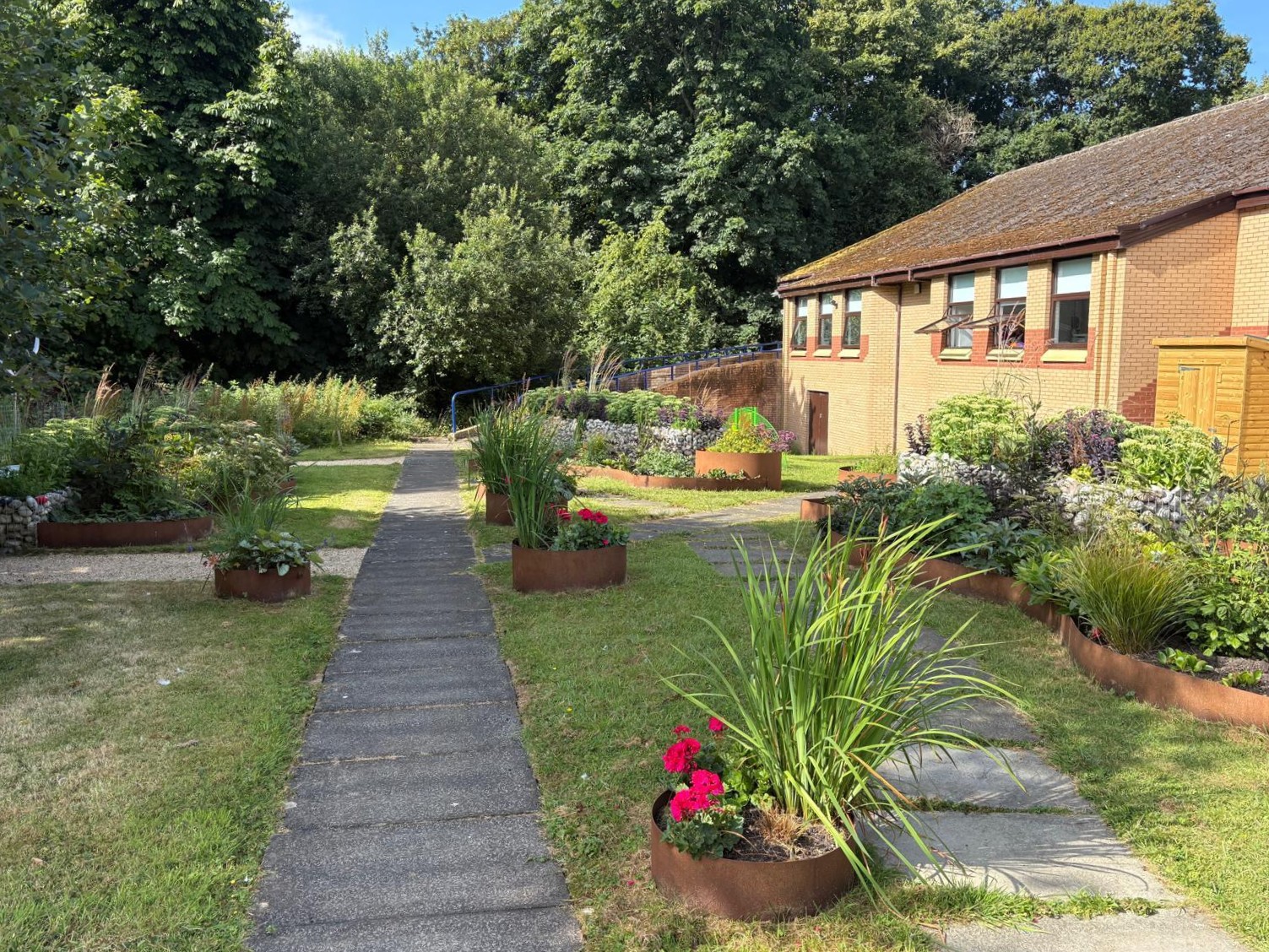
Kyle Chemotherapy Unit, NHS Ailsa Hospital

HMP YOI Stirling
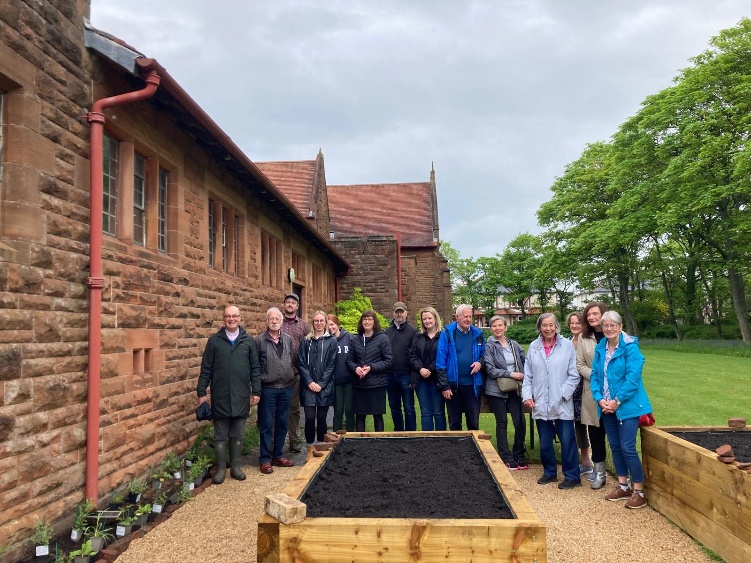
St Ninian’s Scottish Episcopal Church, Troon
Design for tricky spaces
Tricky space? We can offer a design solution. From dry shade and poor soil, to exposed sites or concrete deserts, not to mention unpredictable weather and changing climate; a Repollinate design works for your space and its conditions.
Bringing life to shady spaces
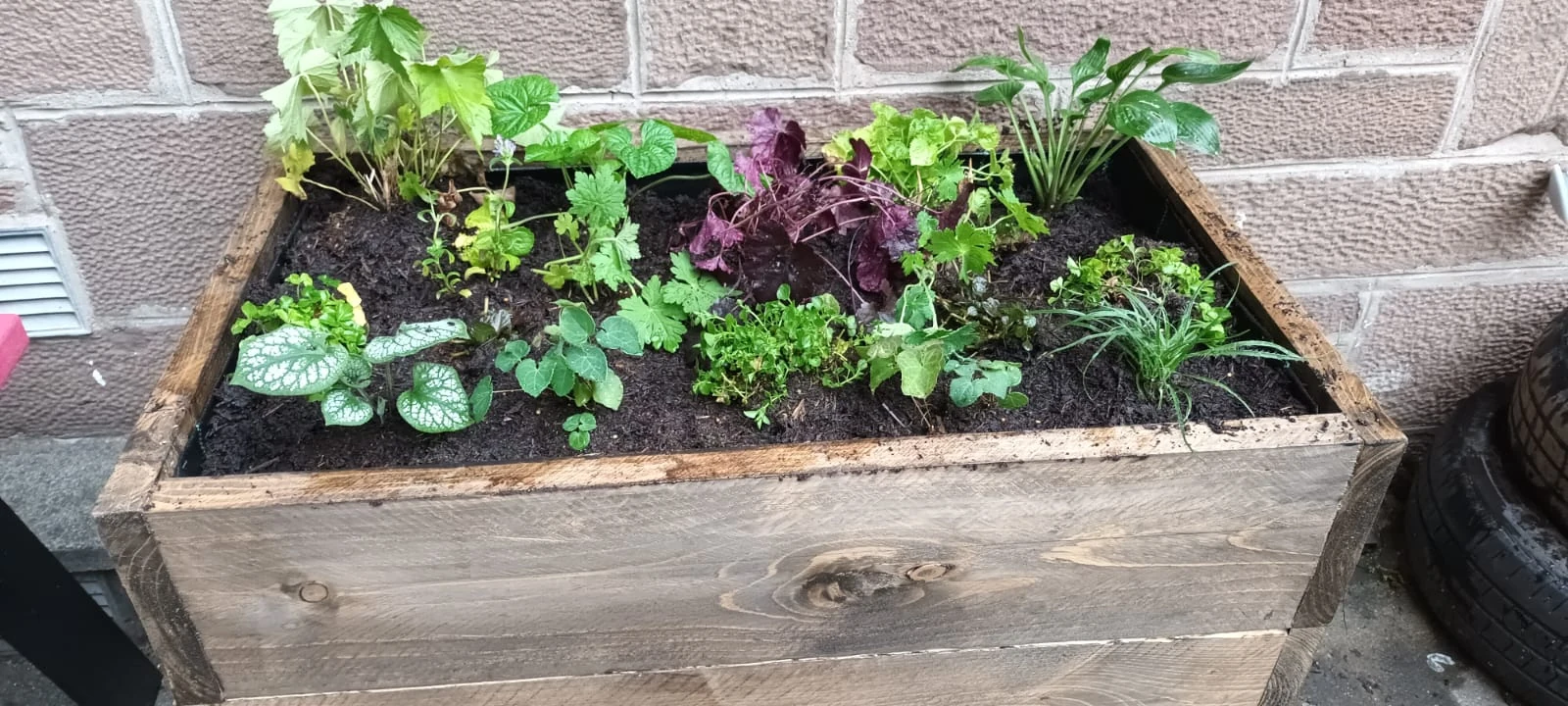
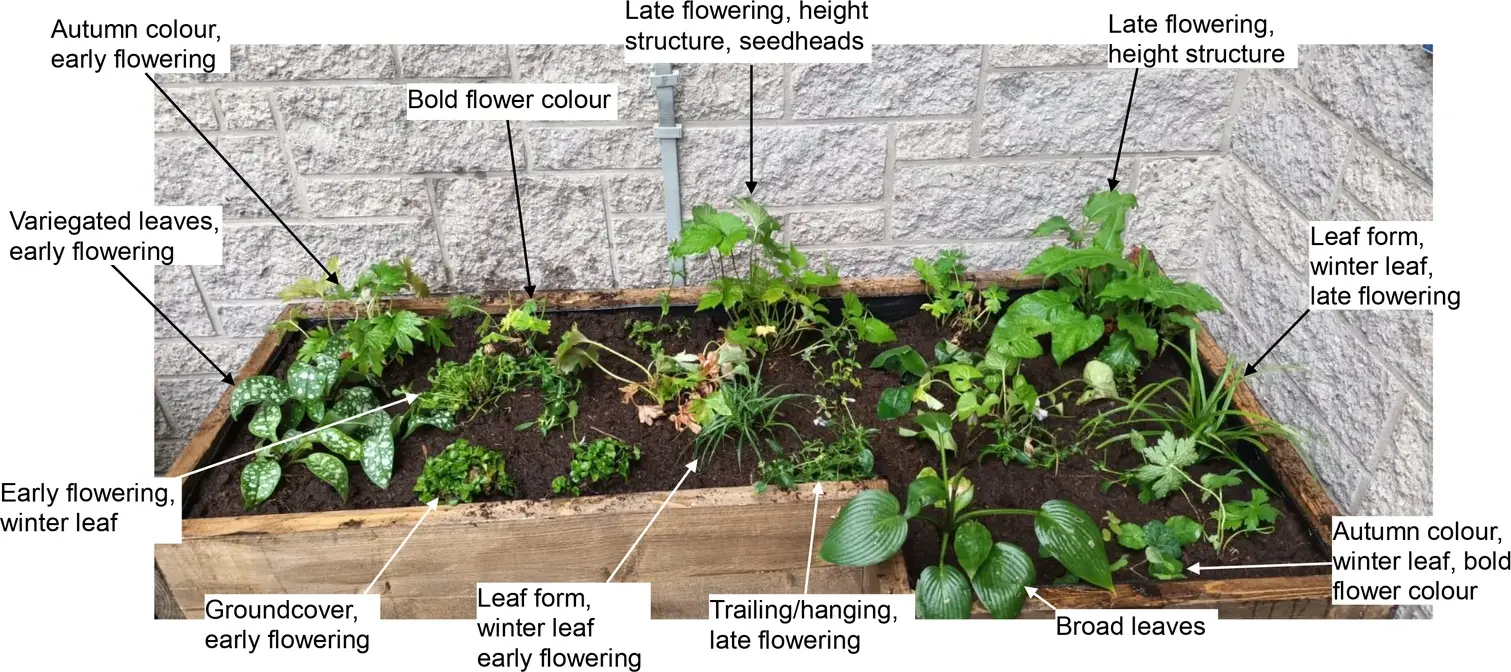
At NHS Dundee Dental Hospital and School, we created a planting scheme for a courtyard with limited sunlight, using a carefully selected mix of plants to bring colour, texture and interest throughout the year.
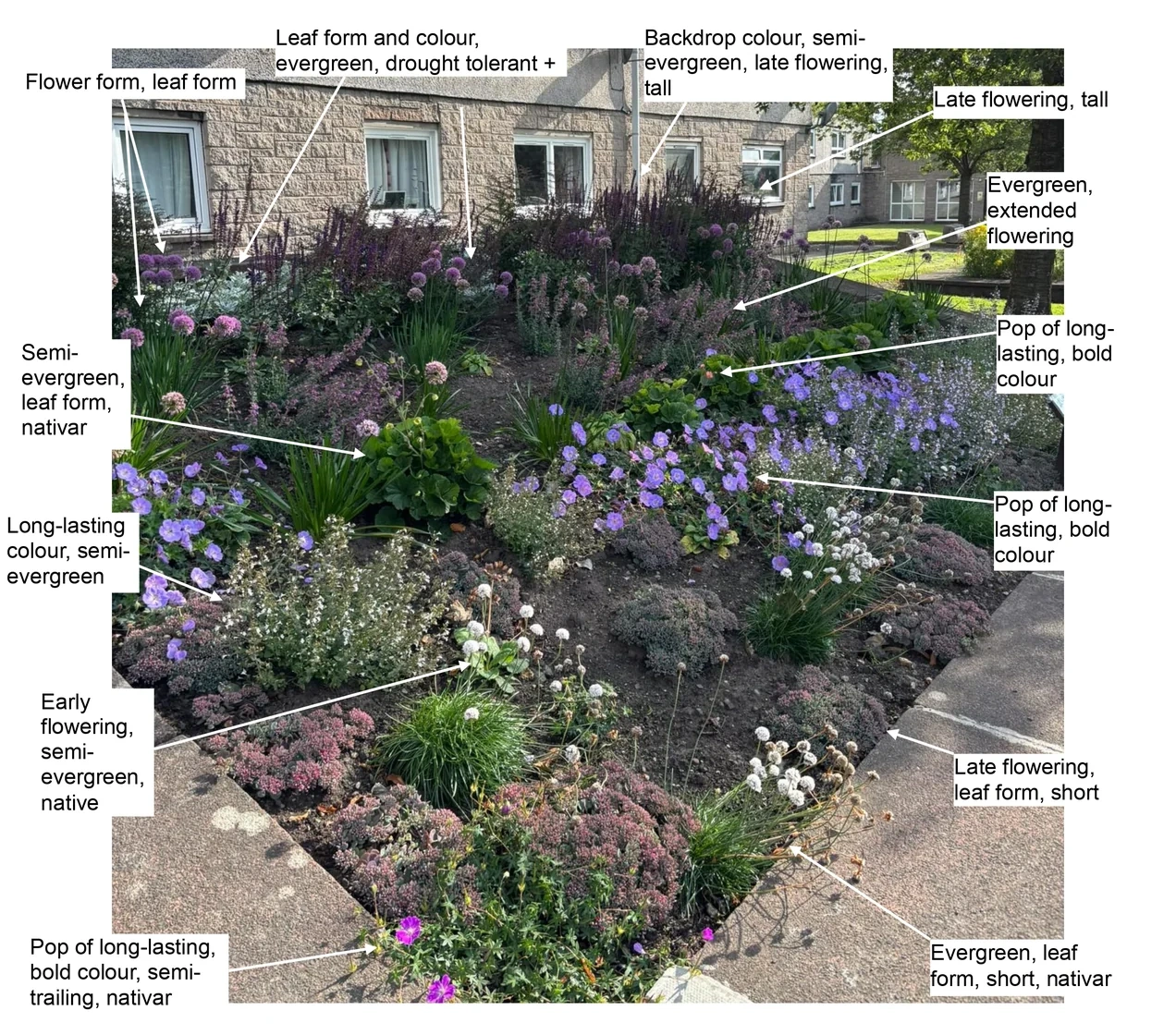
A succession of flowers, varied foliage and seasonal change creates an uplifting space that connects people with nature. The planting design here illustrates the thinking behind the plant selection.
Greening the spaces in between
Even overlooked spaces can be transformed with a little imagination.
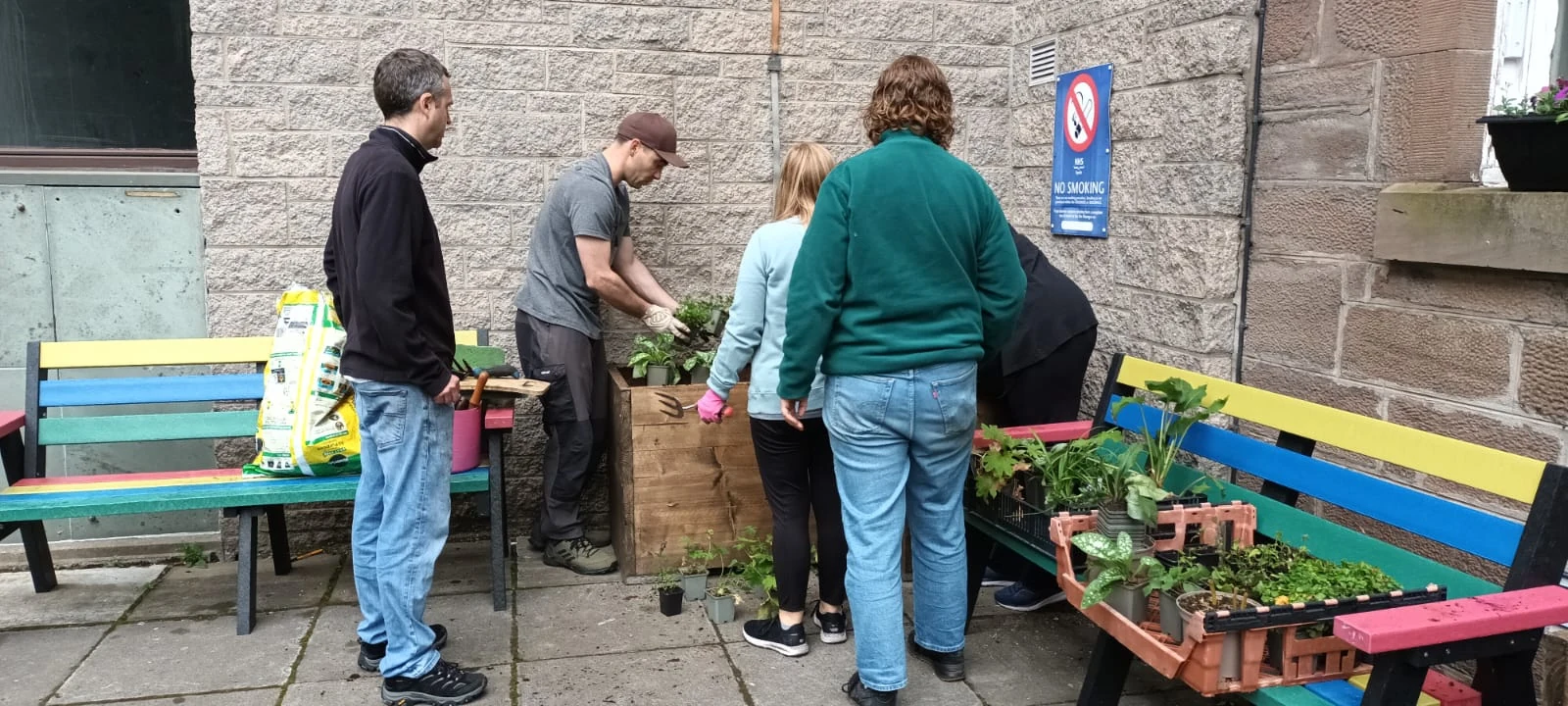
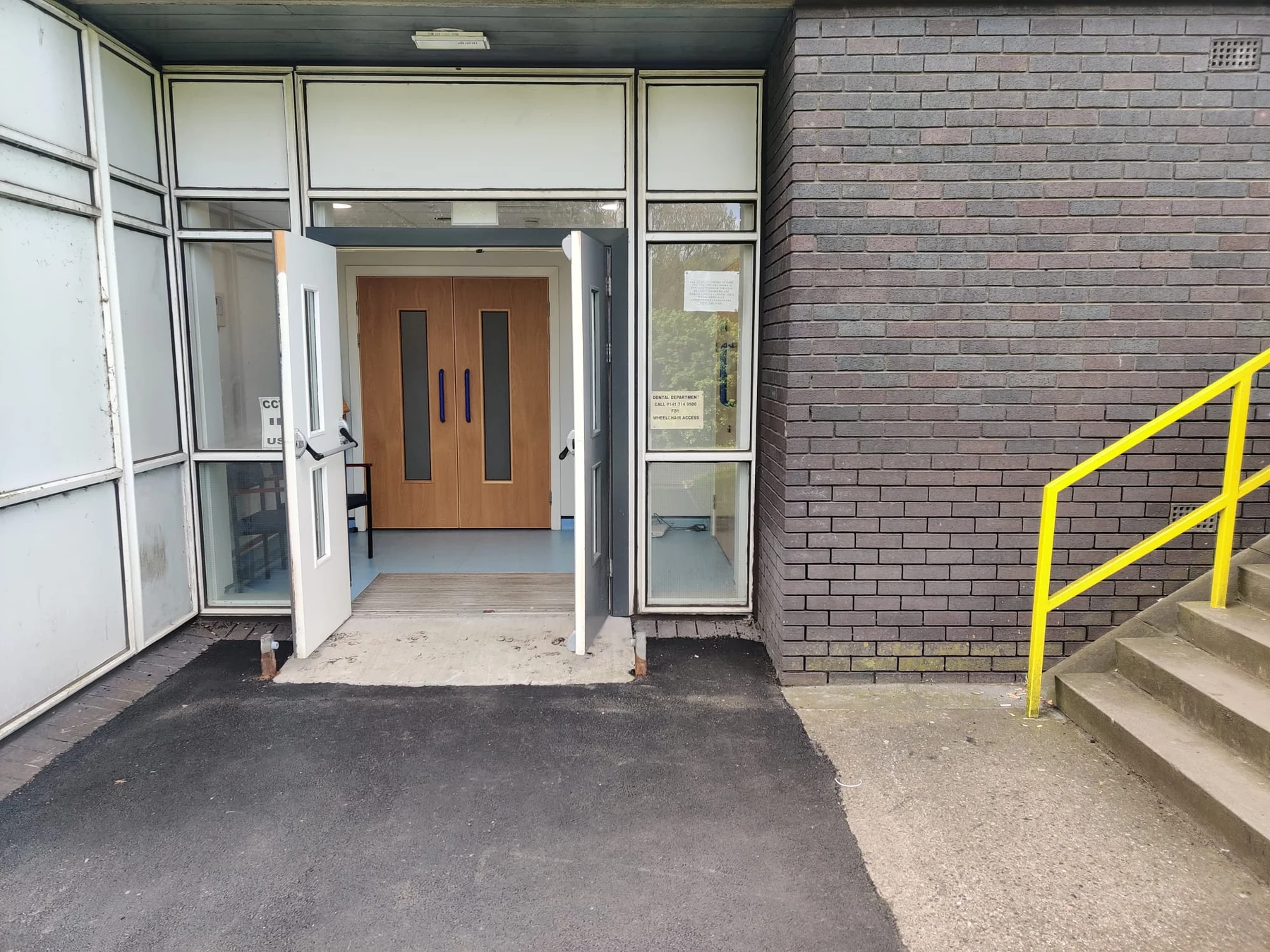
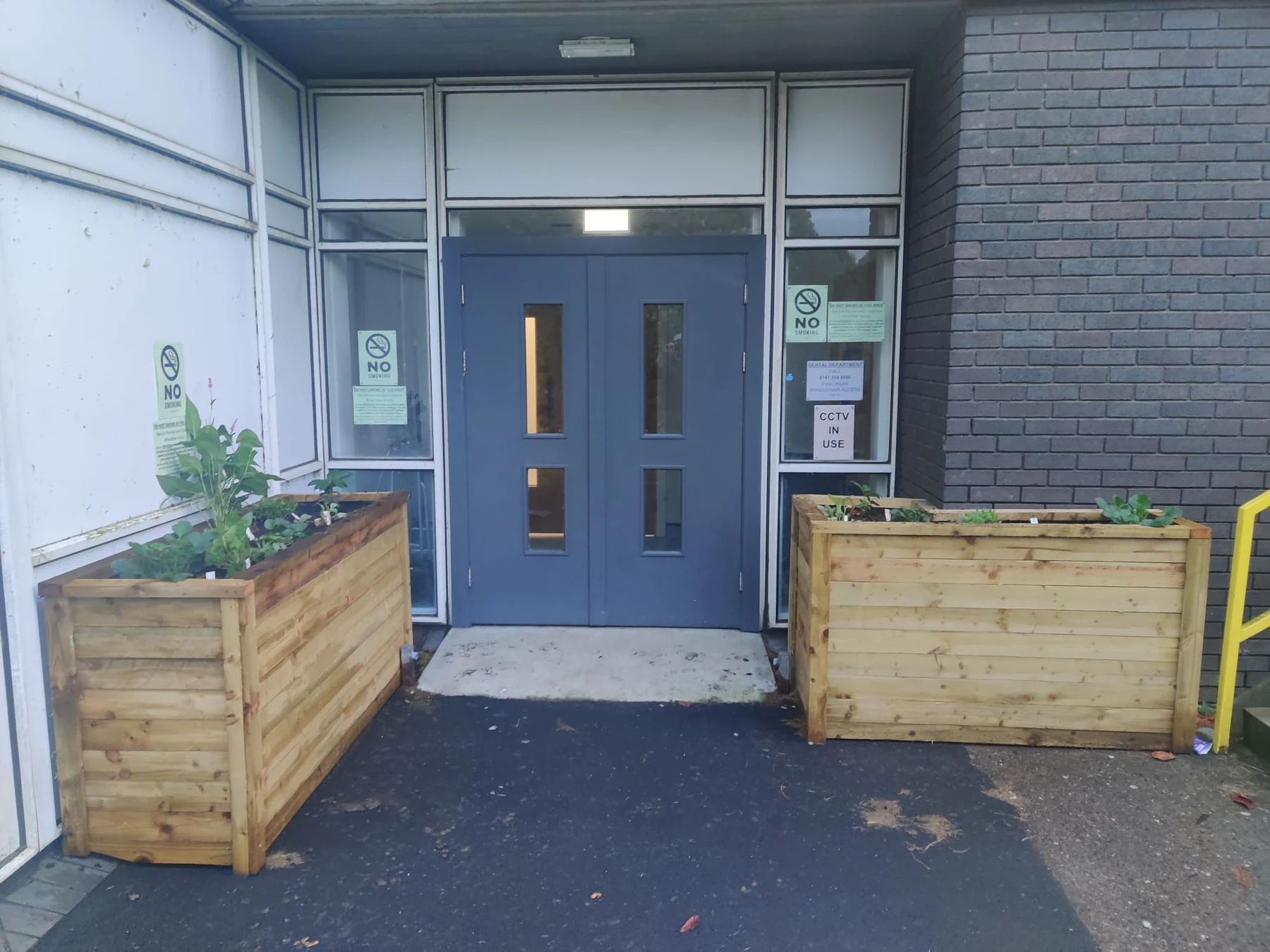
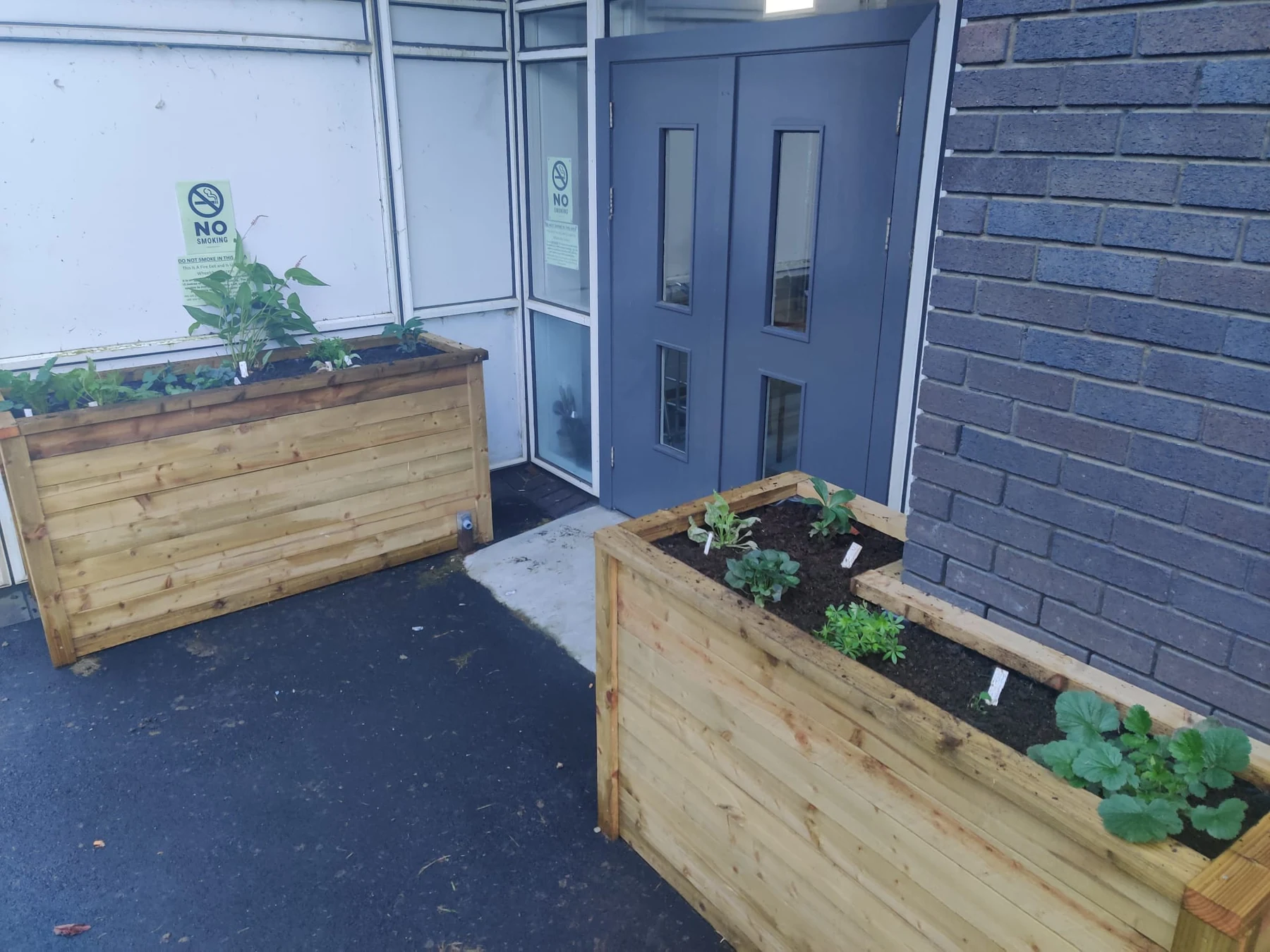
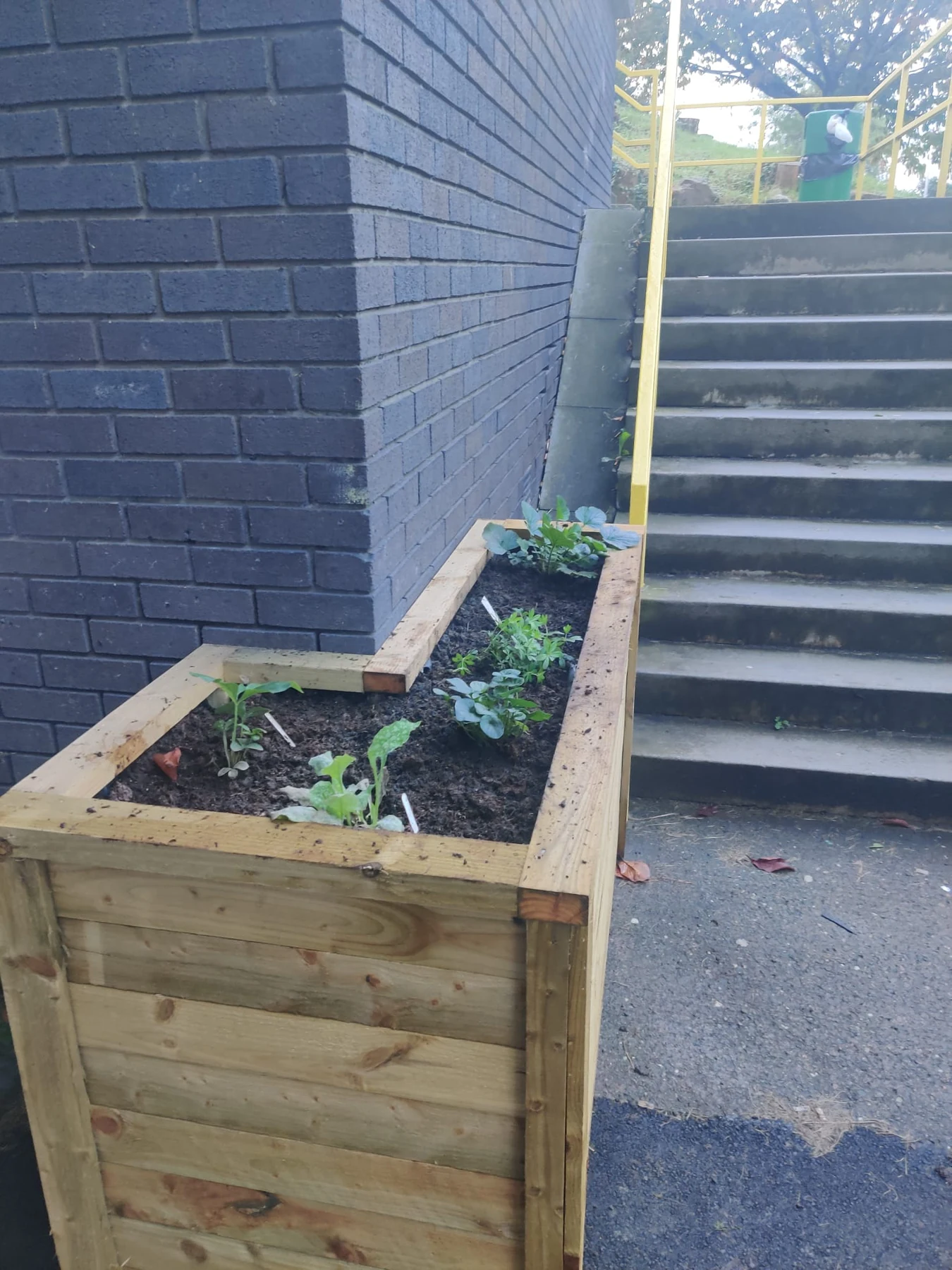
At an entrance to NHS Royal Alexandra Hospital, we used locally sourced wood to create waist-high planters, bringing greenery into a space otherwise dominated by concrete, while taking care to maintain clear access.
The planting helps soften and brighten the area, creating a more welcoming space for patients, staff and visitors. It gives the space a renewed sense of purpose, encouraging people to take more care of the space.
Working with what’s already there.
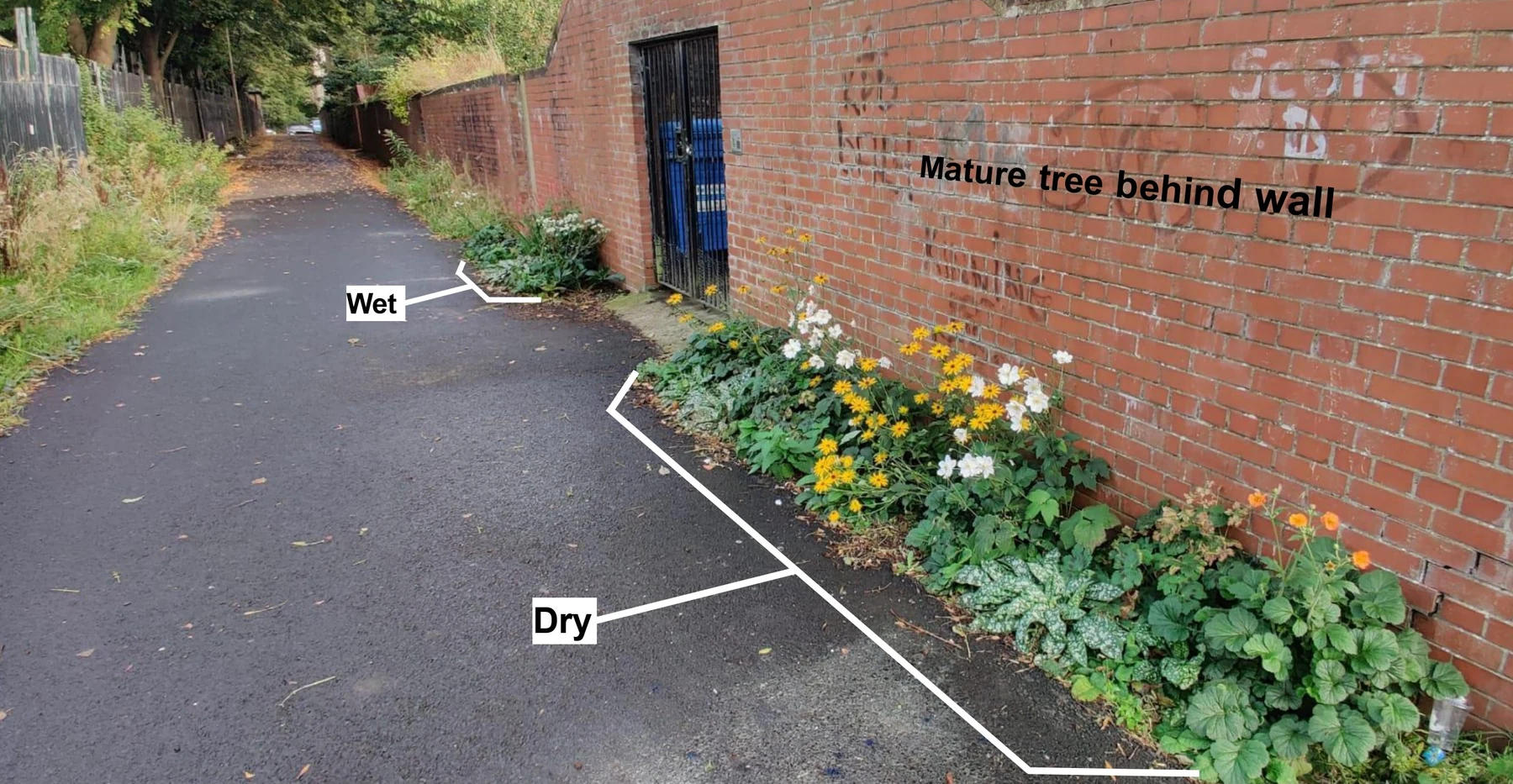
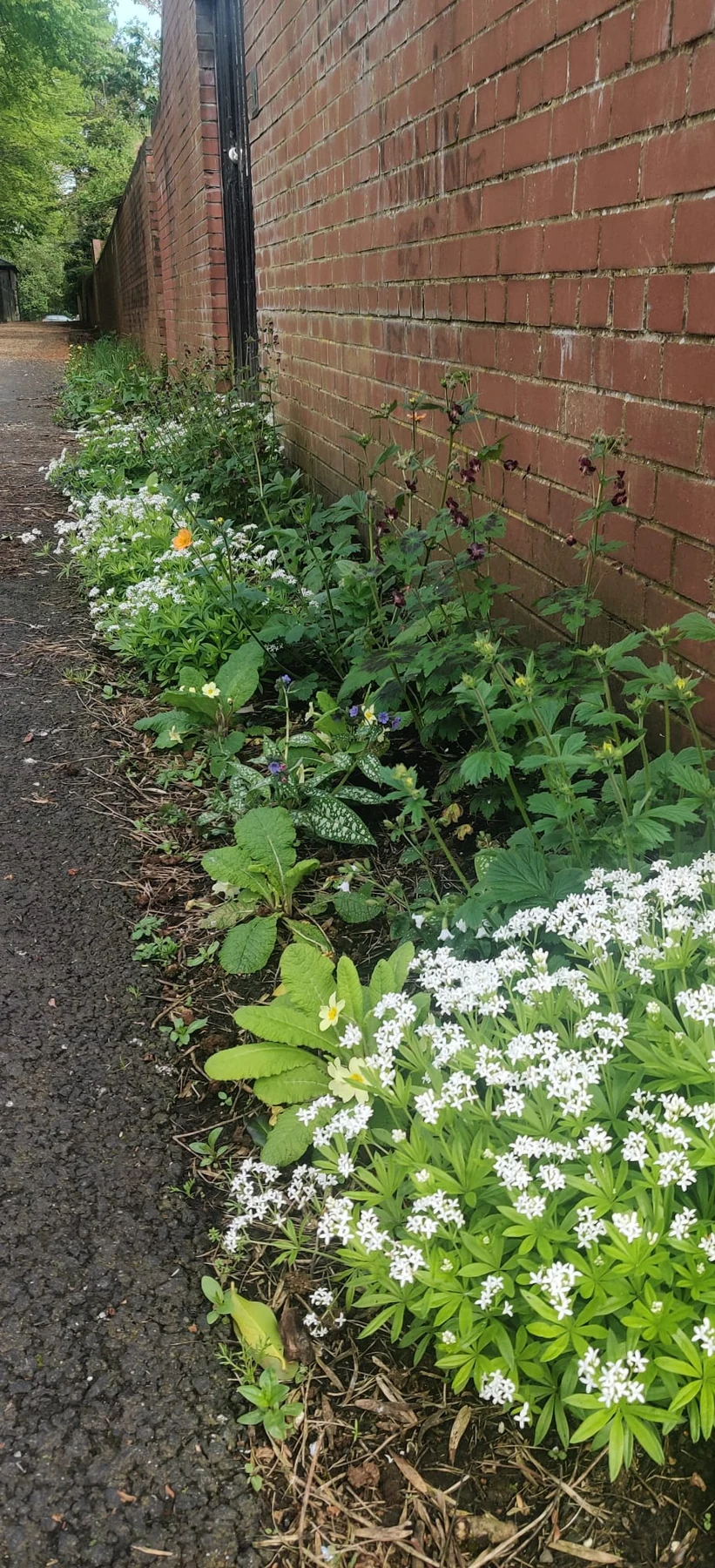
Mature trees, walls and built structures can create surprisingly complex growing conditions, with differences in shade, moisture, soil and root competition even within a small area.
Rather than working against these conditions, we work with them, choosing resilient, reliable plants that can thrive alongside existing trees and structures.
It’s about putting the right plant in the right place to create spaces that can thrive for years to come.
Planting in poor soils
Some of the most challenging places to plant can also become some of the most rewarding.
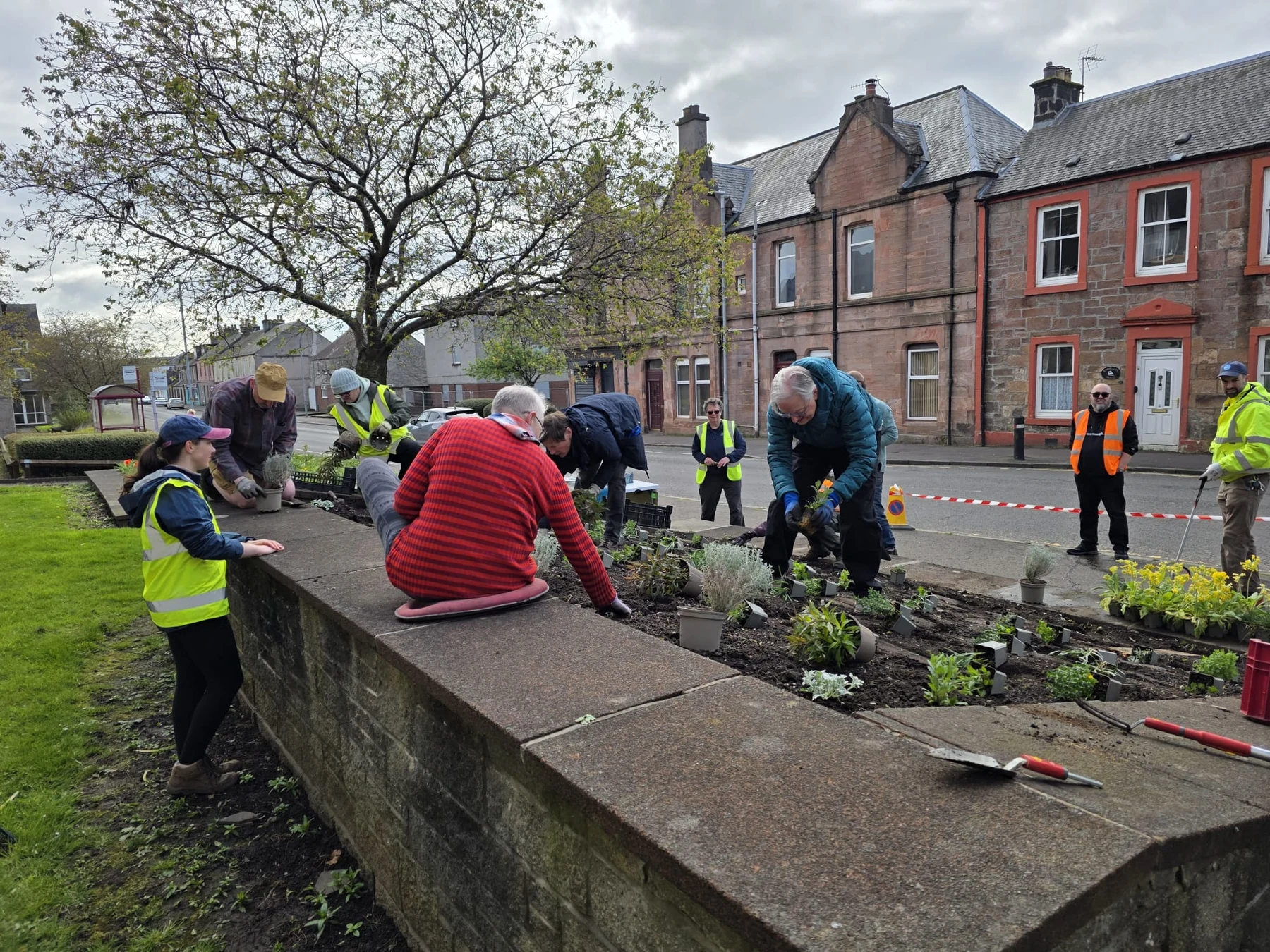
We designed a planting scheme for an existing bed in Tillicoultry High Street with dry, nutrient-poor soil, choosing plants that can cope with such demanding conditions while still creating a vibrant, nectar-rich space.
Plant selection was carefully matched to the changing conditions across the bed. More drought-tolerant species were positioned towards the edges and higher up the slope, where the soil was driest, while other plants were selected to suit slightly higher moisture levels.
The result is planting that works with the site rather than against it, resilient, attractive and designed to thrive where conditions are tough.
What RePollinate protects in every brief.
Beautiful design is only part of the picture. We balance visual appeal with ecological value, community requirements and the long-term care a space needs to thrive.
Right place
The design responds to the unique conditions of each site, from light levels, soil and moisture to access, intended use and the wider landscape.
Right plants
Plants are carefully chosen to suit conditions and provde maximum value for pollinators, while providing a coherent and attractive aesthetic.
Right people
Those who use and maintain the space are involved at every stage, helping shape a design that works for their needs and encourages long-term ownership and care.
Right aftercare
Maintenance needs are agreed from the outset, ensuring the space can be easily cared for and sustained over time.